|
|
|||
|
A Page in Progress |
CIAO
 1973 - 1980 |
||

|
I
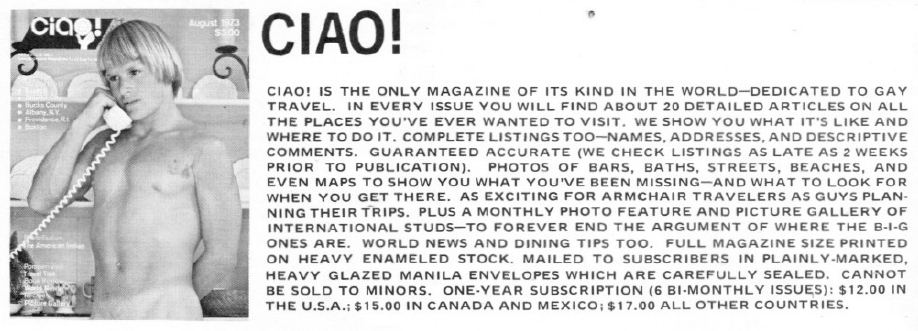
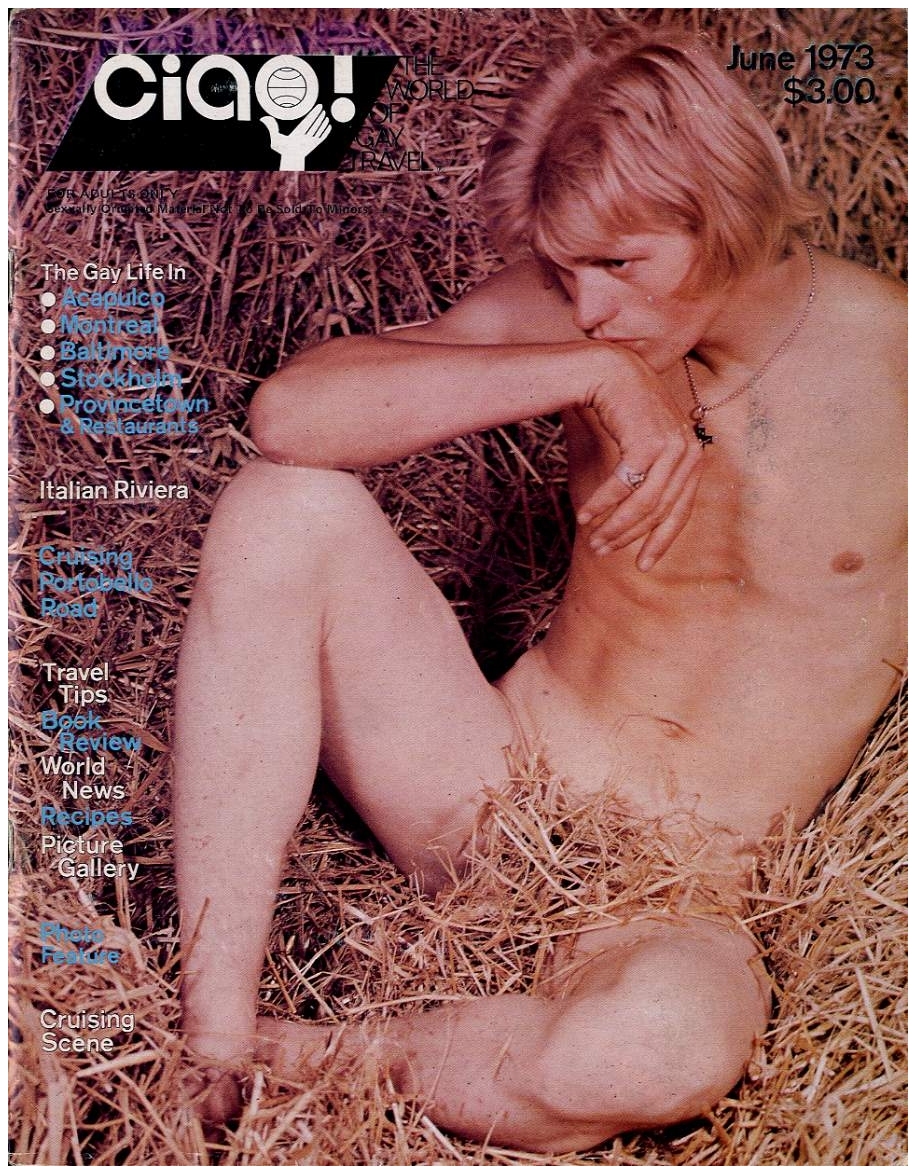
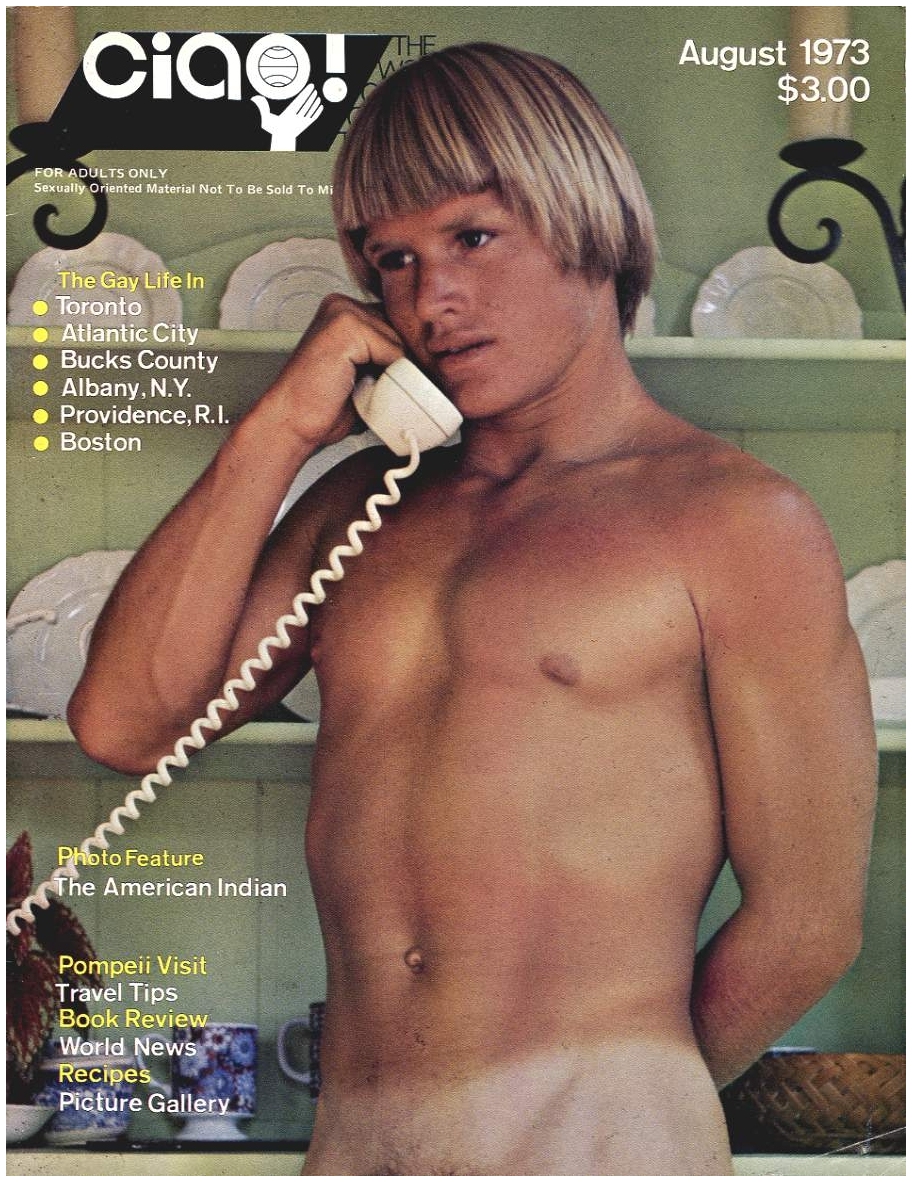
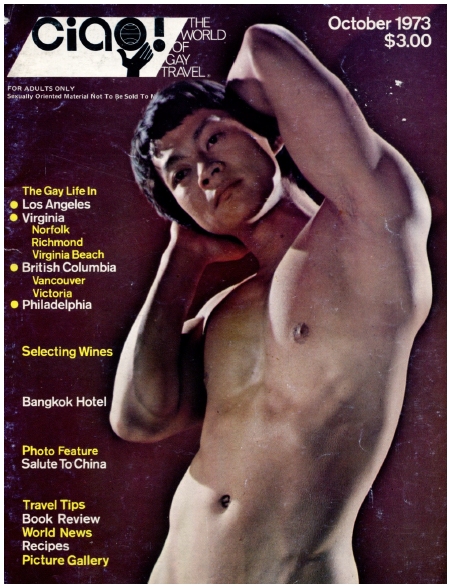
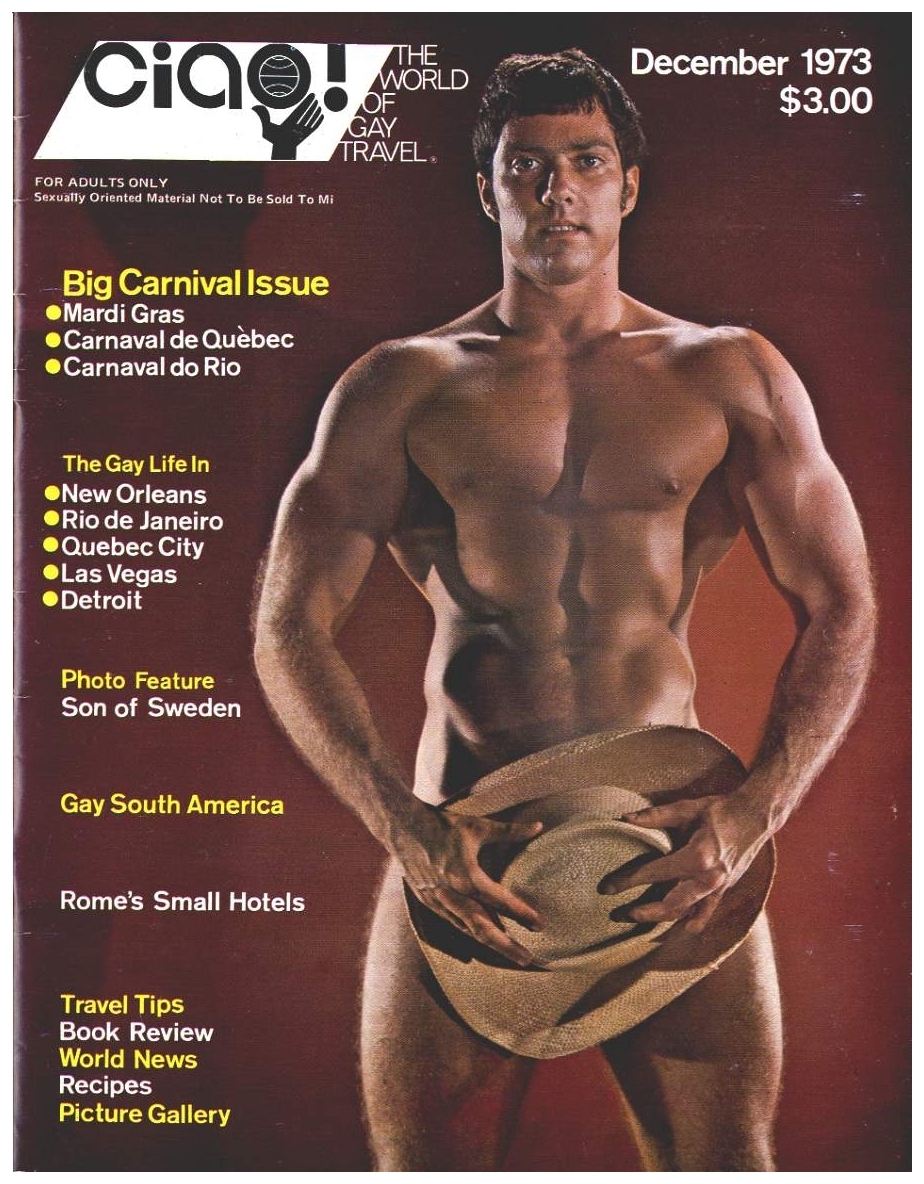
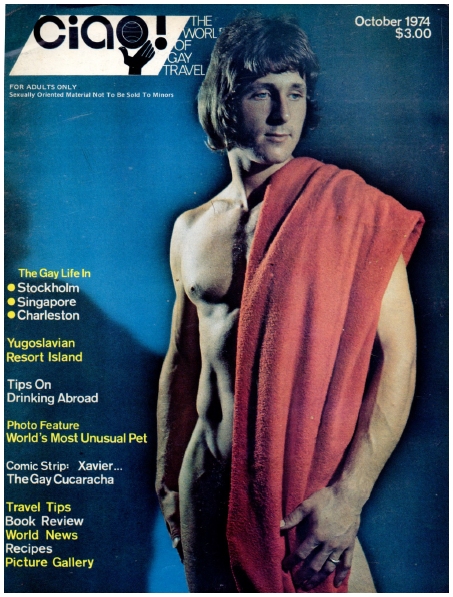
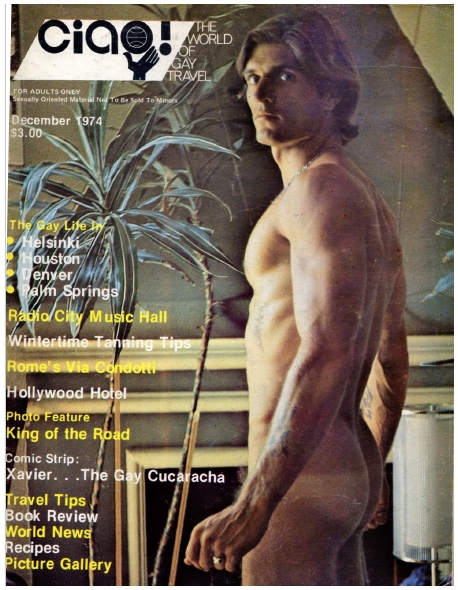
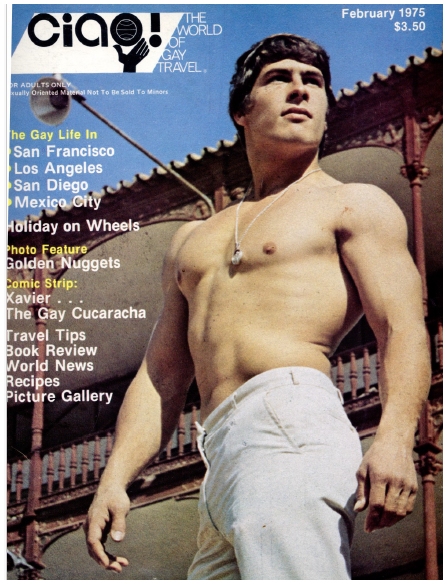
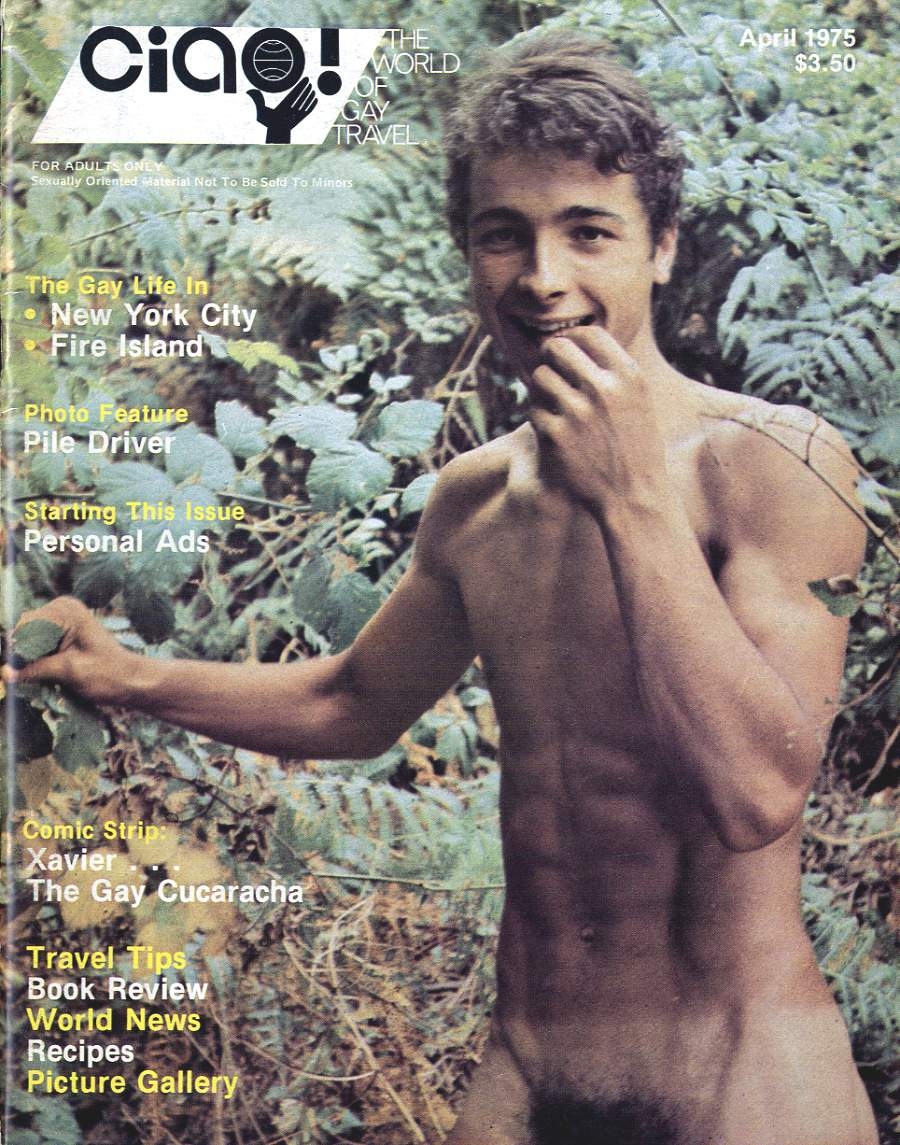
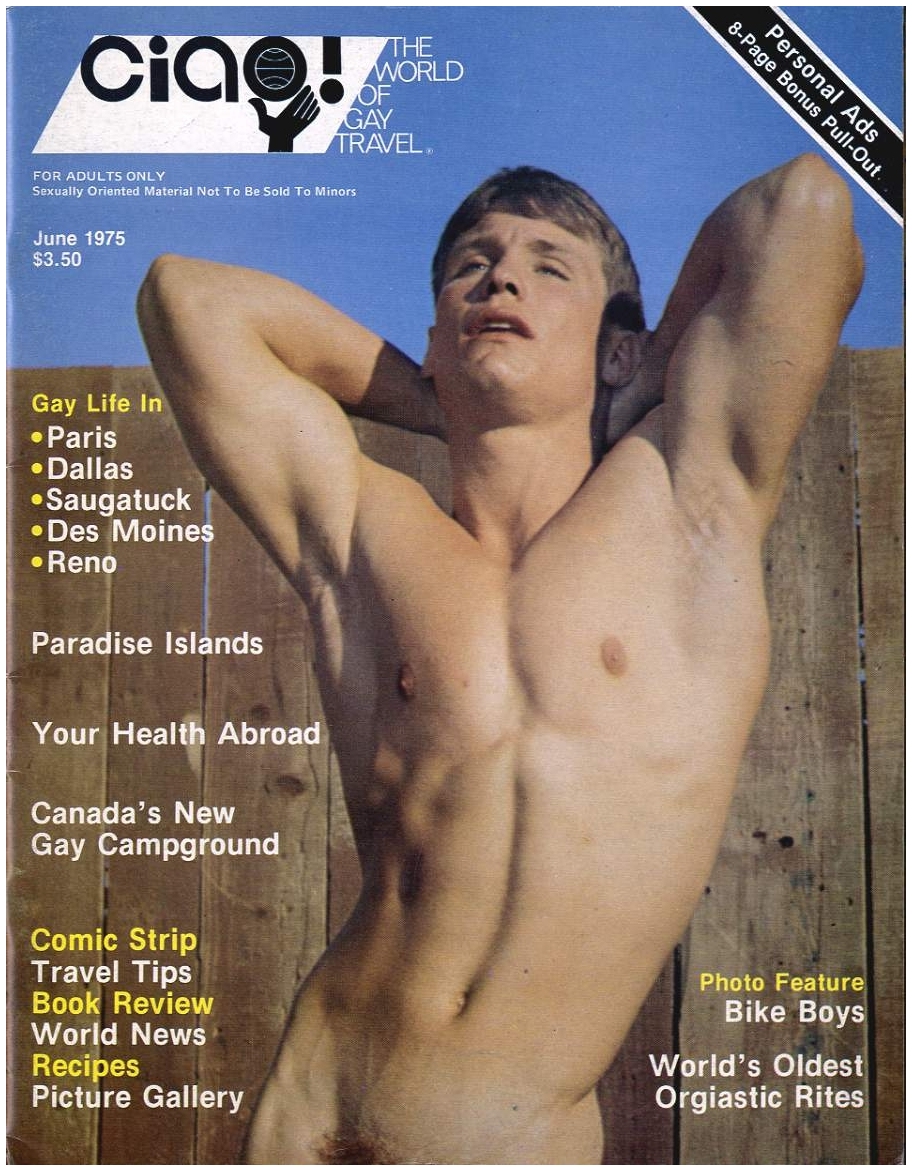
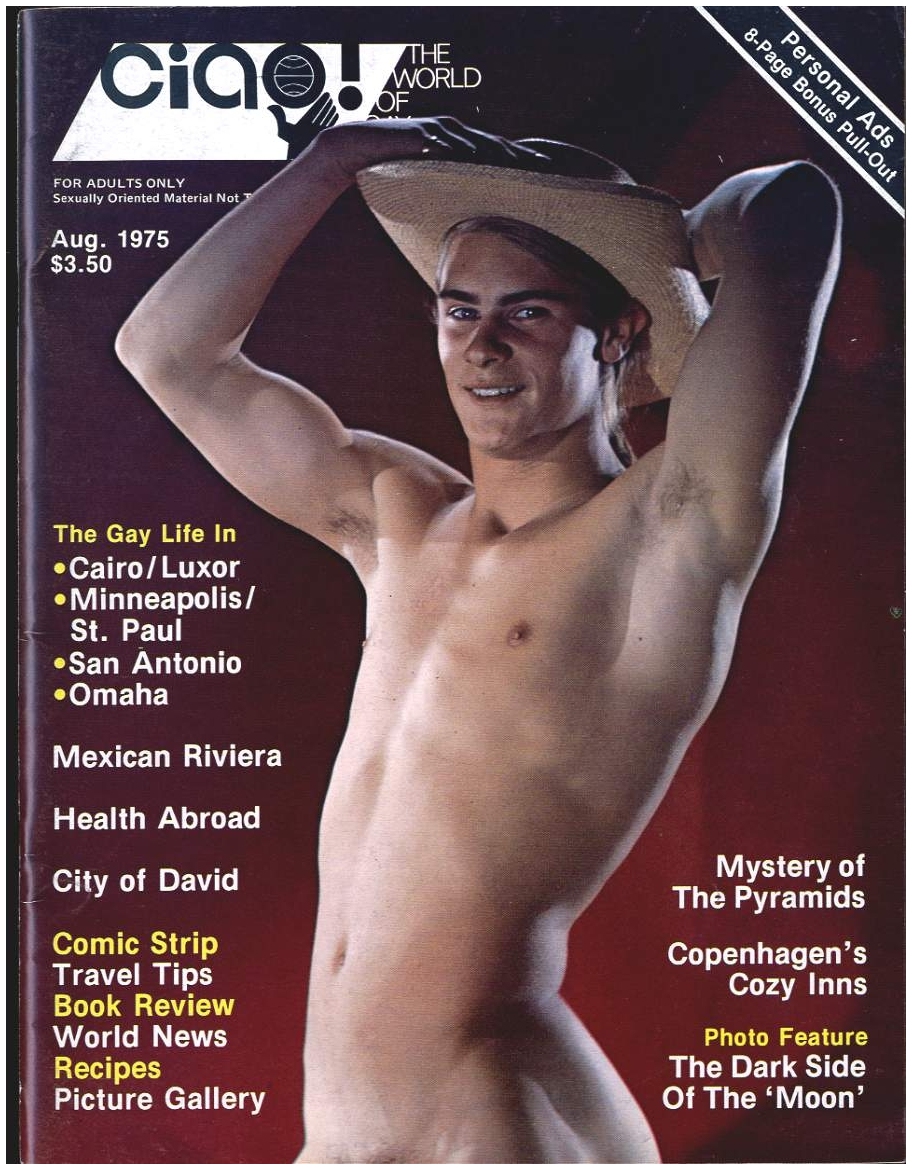
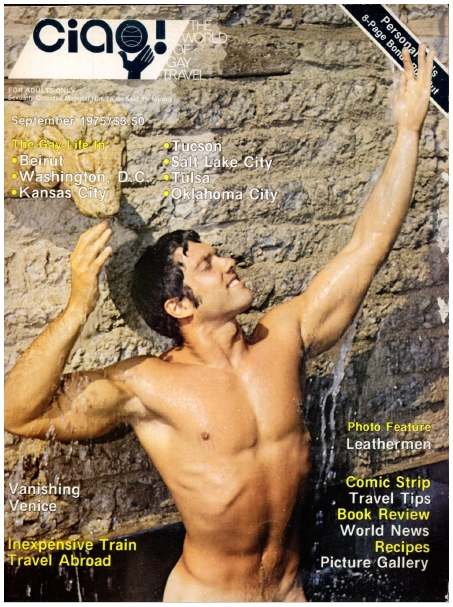
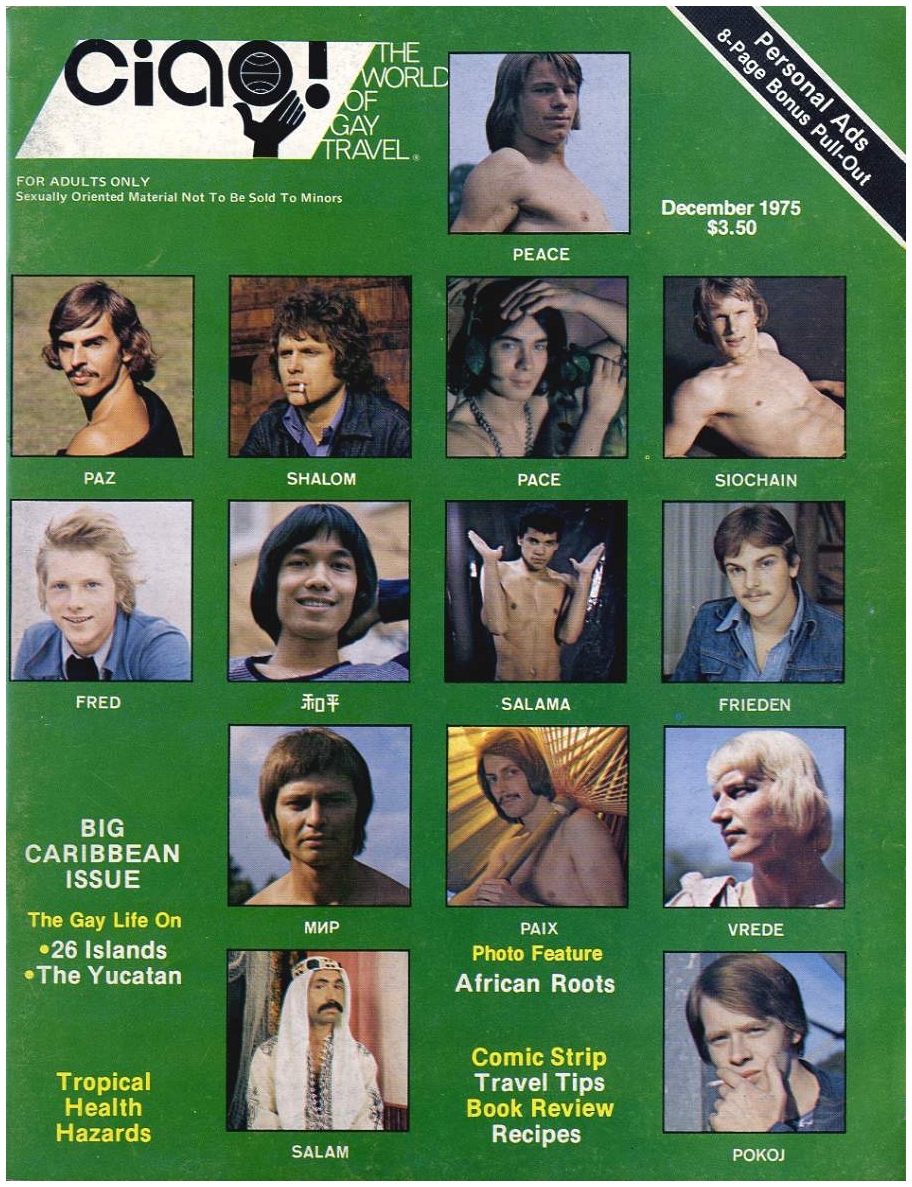
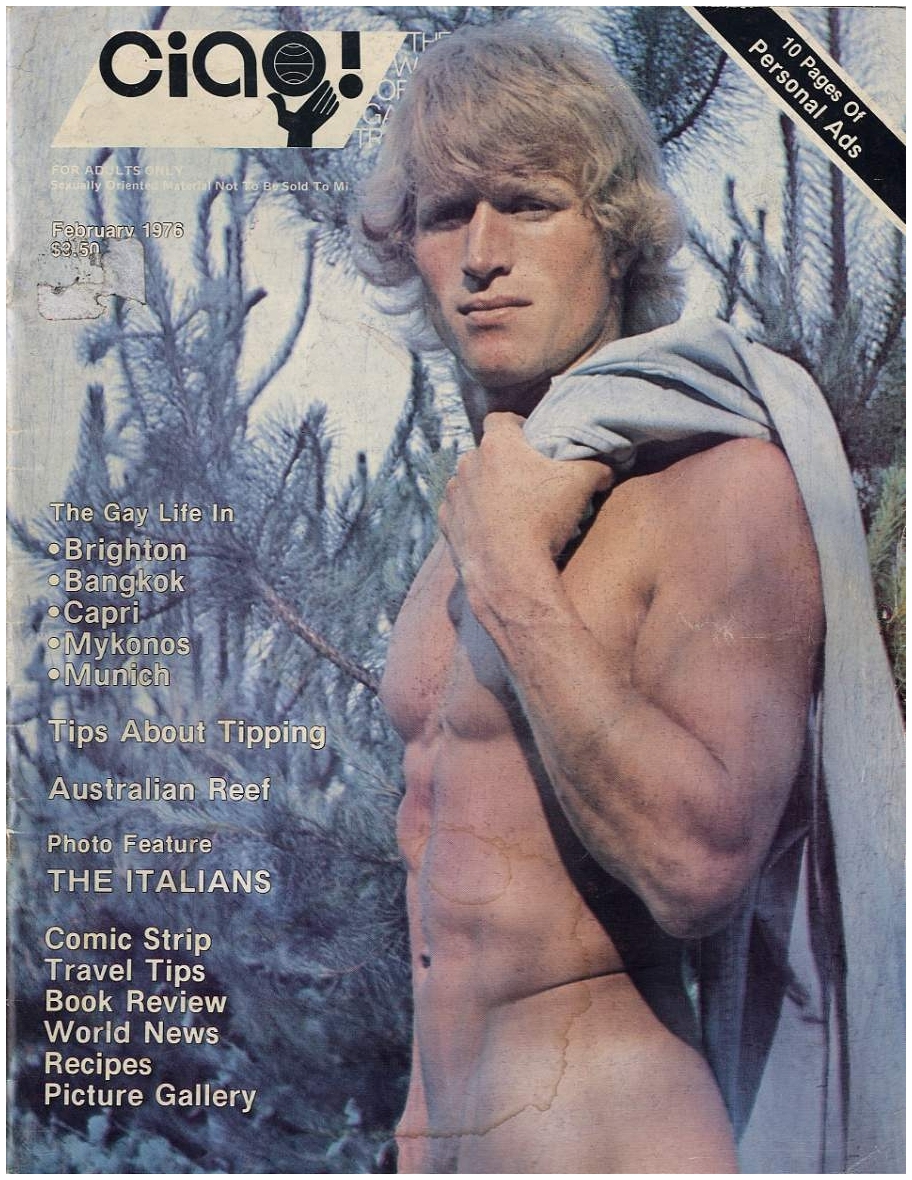
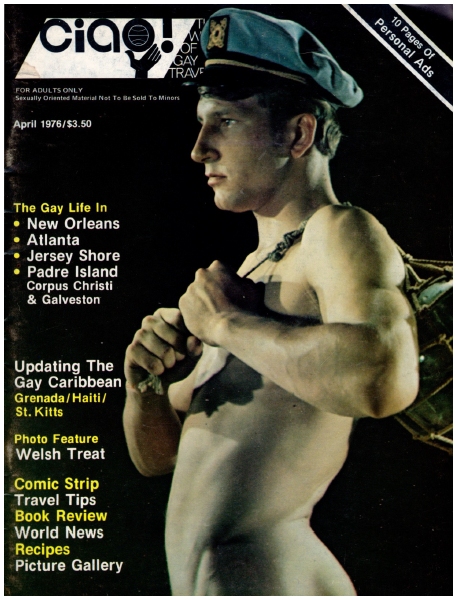
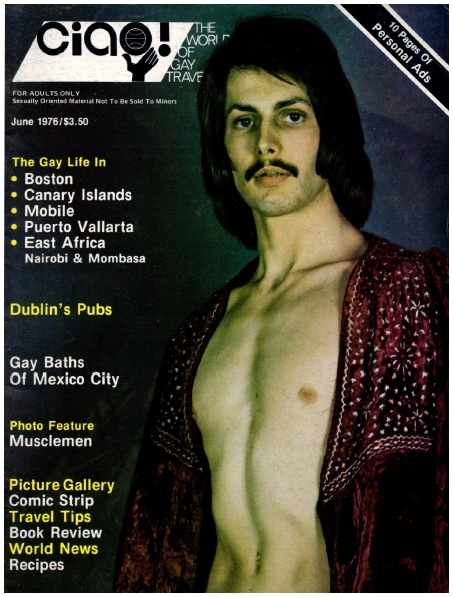
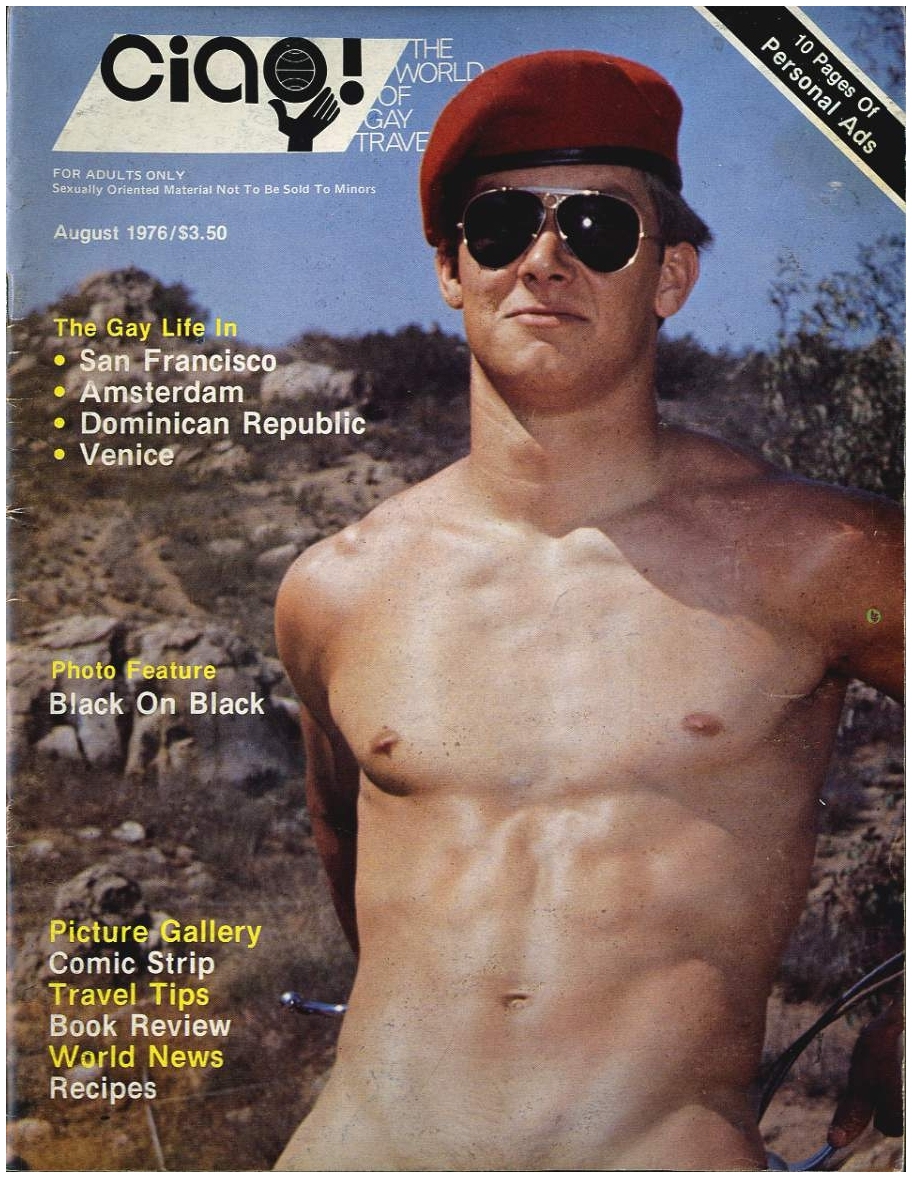
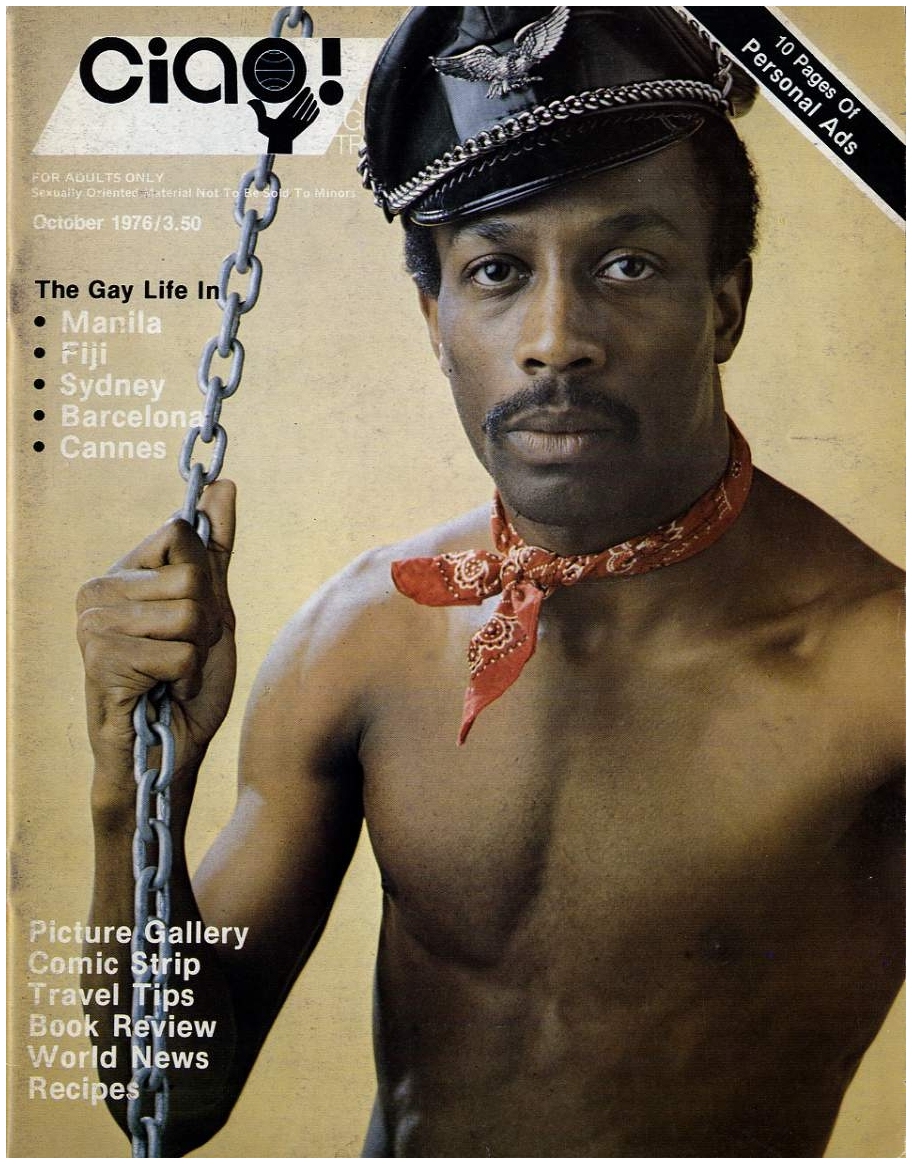
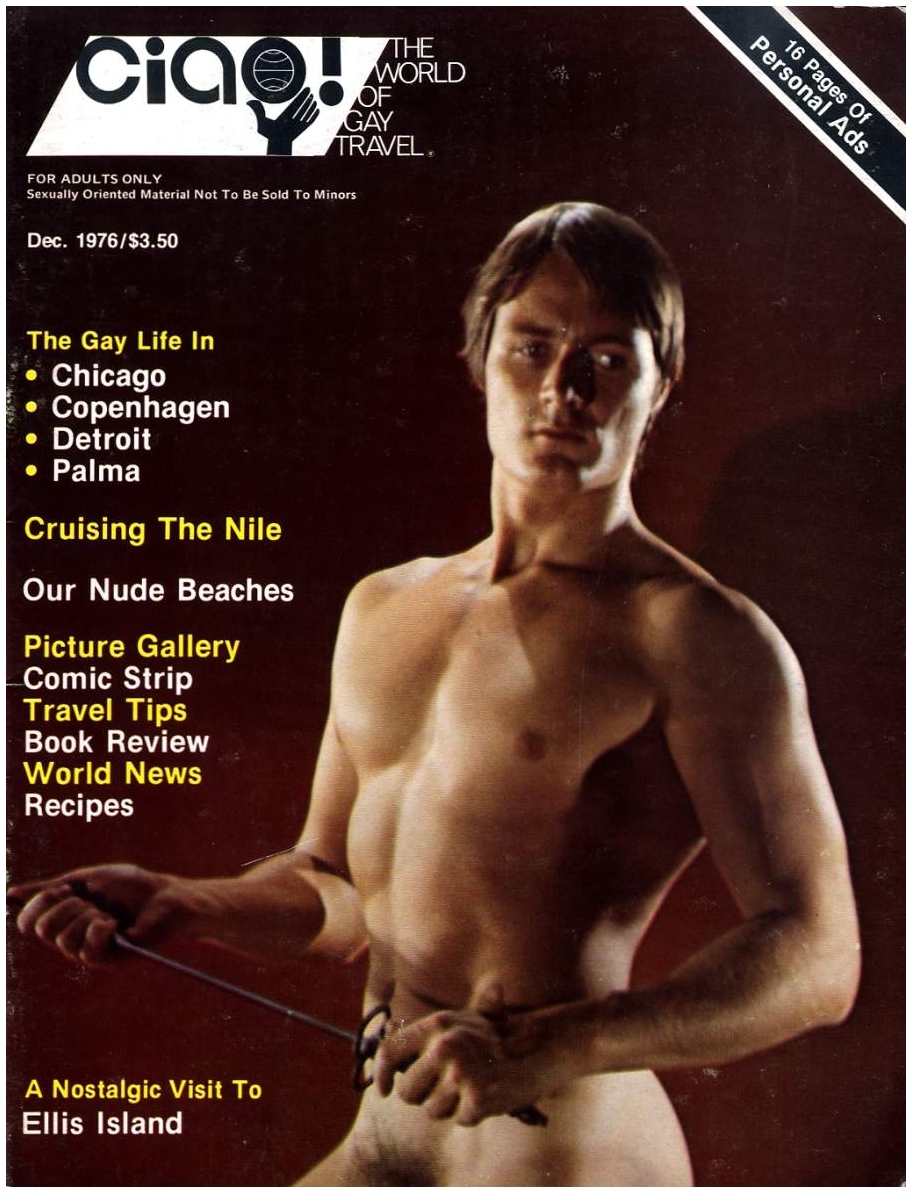
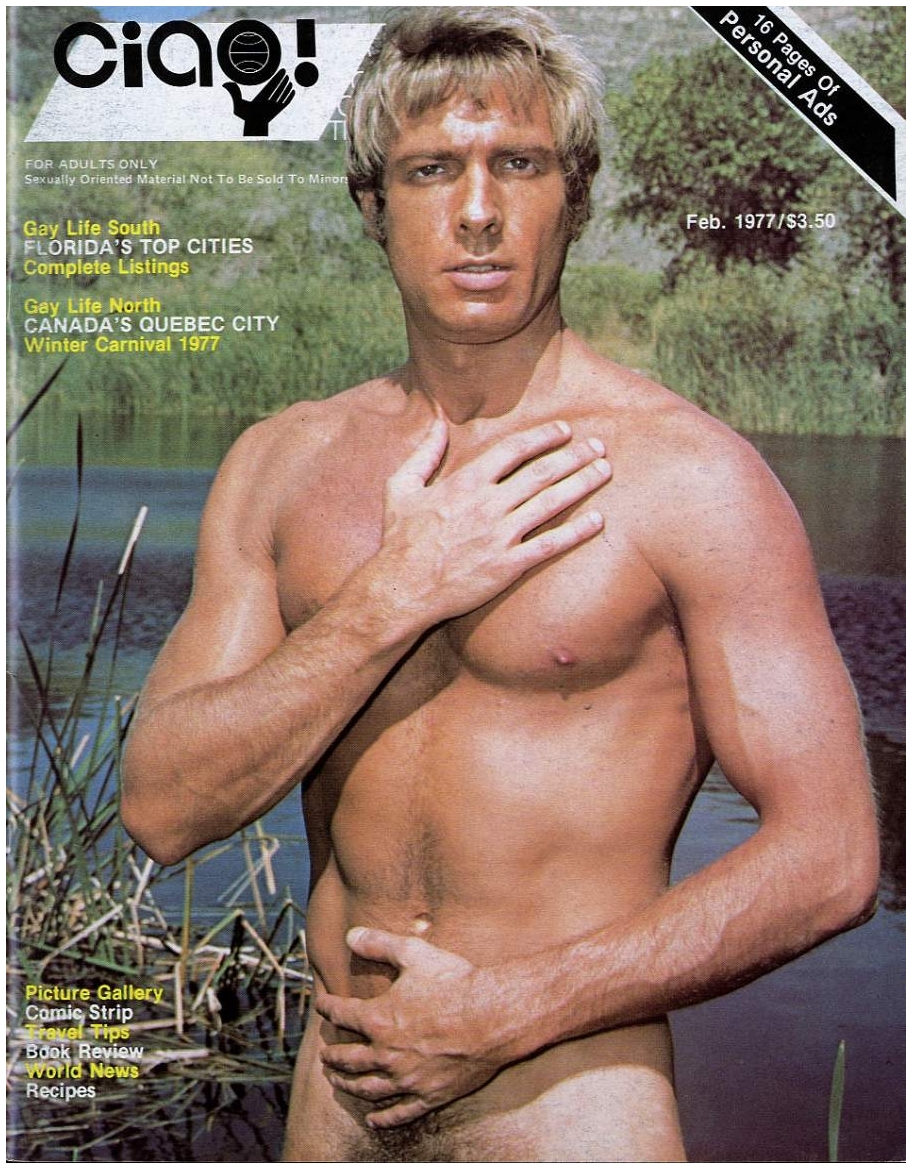
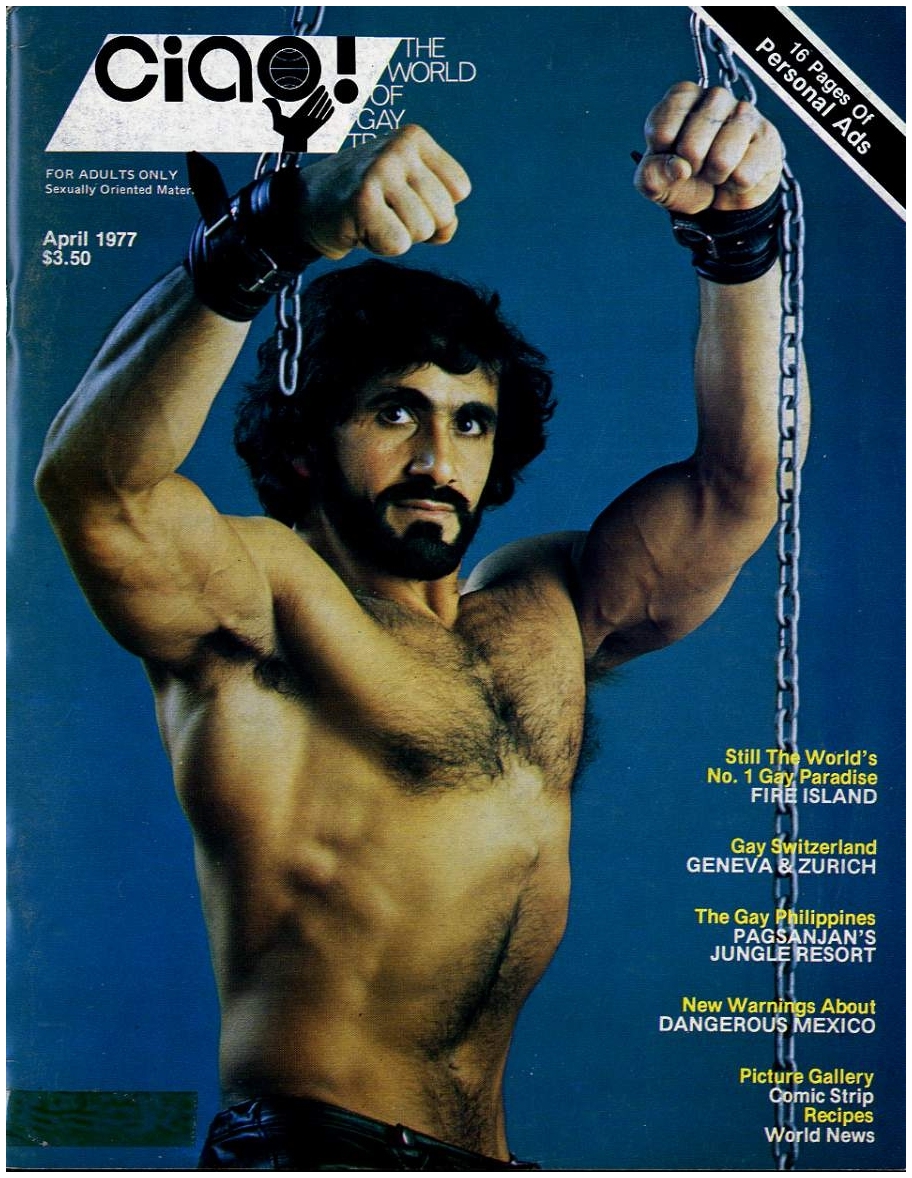
quite liked this publication, a bi-monthly, which ran from January 1973
to February 1980, and was printed on
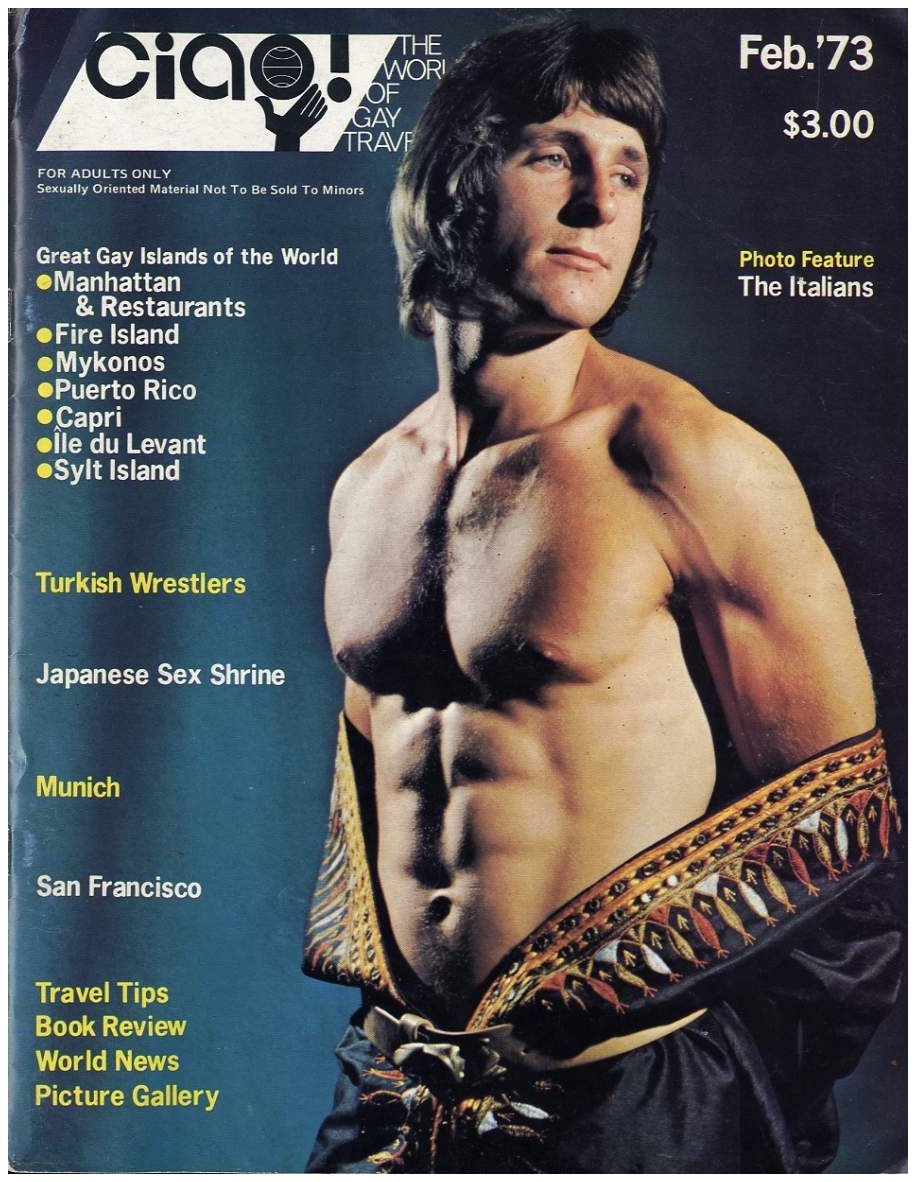
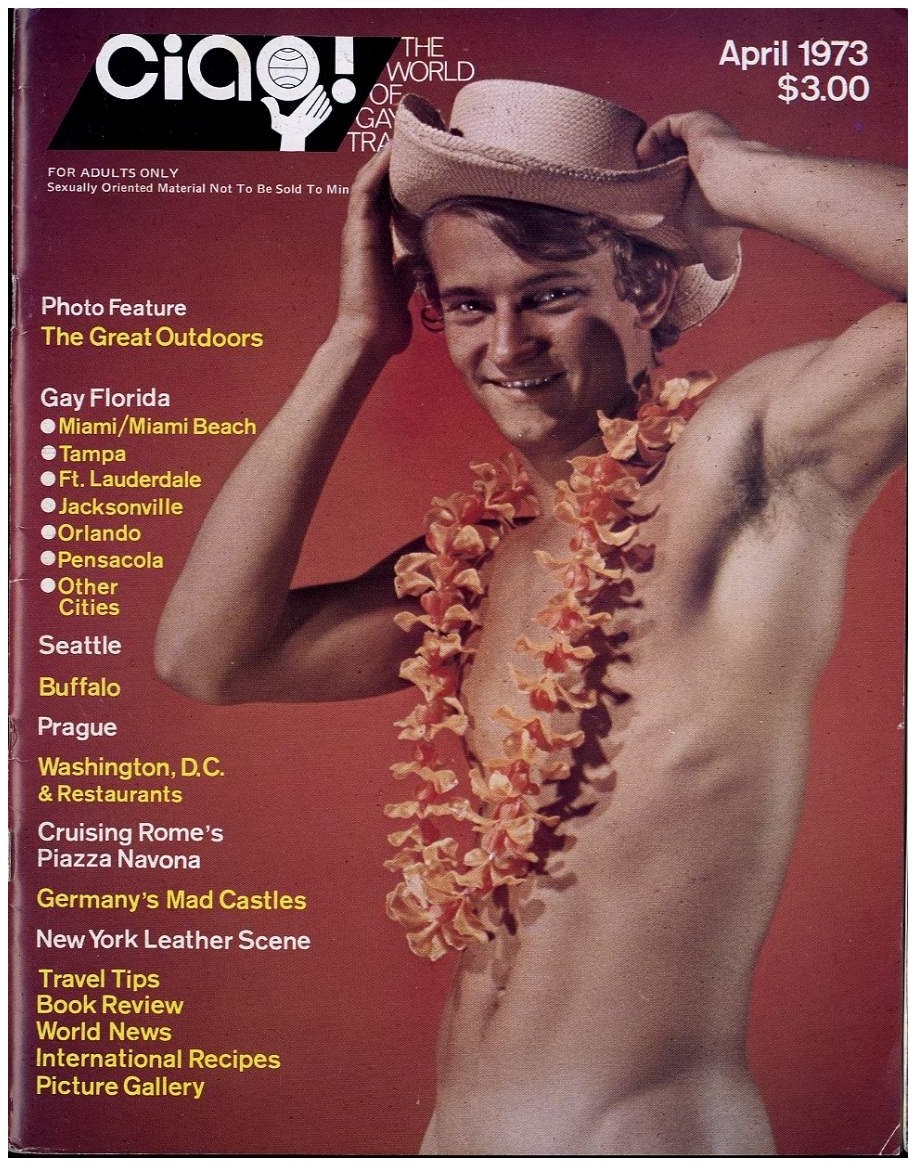
nice slick paper (great for scanning). It was 8 1/2"x11". I especially admired that it showed exterior photos of the bars. This was quite rare and it was the only magazine to do that. Toward the end of 1977 it began skipping issues, with no December issues in the last three years. The publication ended at 41 issues in Feb/Mar 1980. If anyone can provide scans of missing issues, that would be Most helpful. |
|
|
|
Issues
can be downloaded if there is an active PDF link
After each mag I list the major U.S. cities (only) PDFs with a * were very gratefully obtained from the ONE Instutute of L.A. |
|
Vol-1-1-02/73,
PDF* |
Vol-1-2-04/73,
PDF* |
Vol-1-3-06/73,
PDF* |
Vol-1-4-08/73,
PDF* |
Vol-1-5-09-10/73
, PDF |
Vol-1-6-11-12/73,
PDF |
|
Vol-2-1-01-02/74,
PDF
|
Vol-2-2-04/74,
PDF
|
Vol-2-3-06/74,
PDF
|
Vol-2-4-08/74,
PDF
|
Vol-2-5-09-10/74,
PDF
|
Vol-2-6-11-12/74,
PDF |
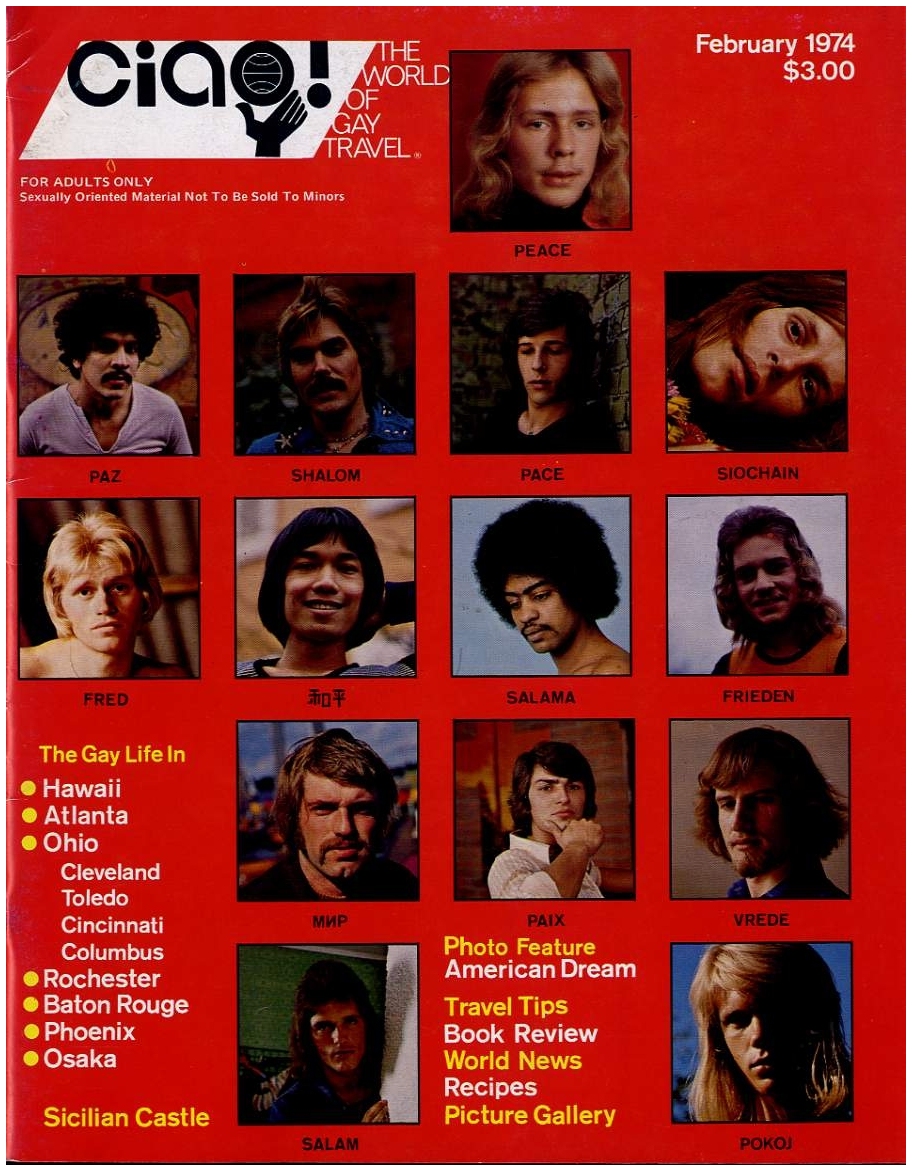
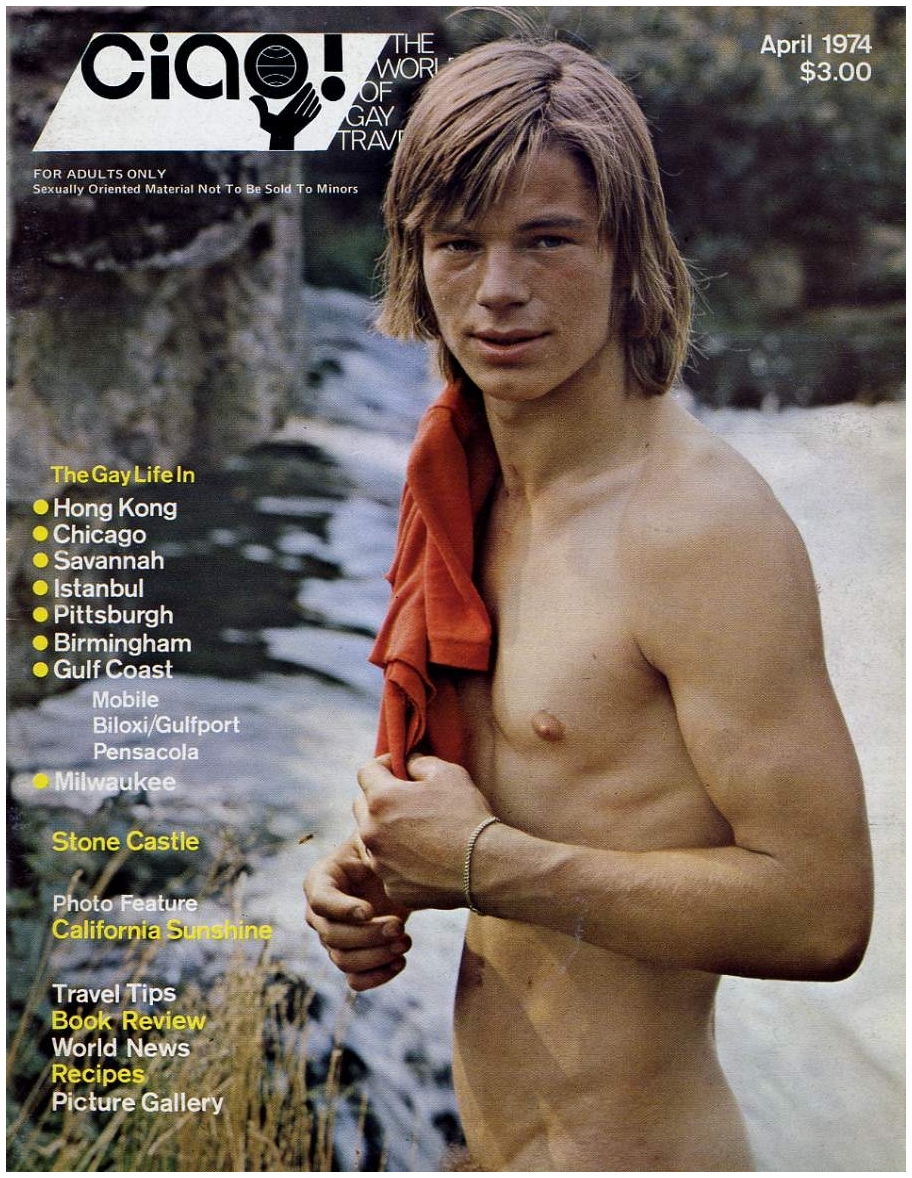
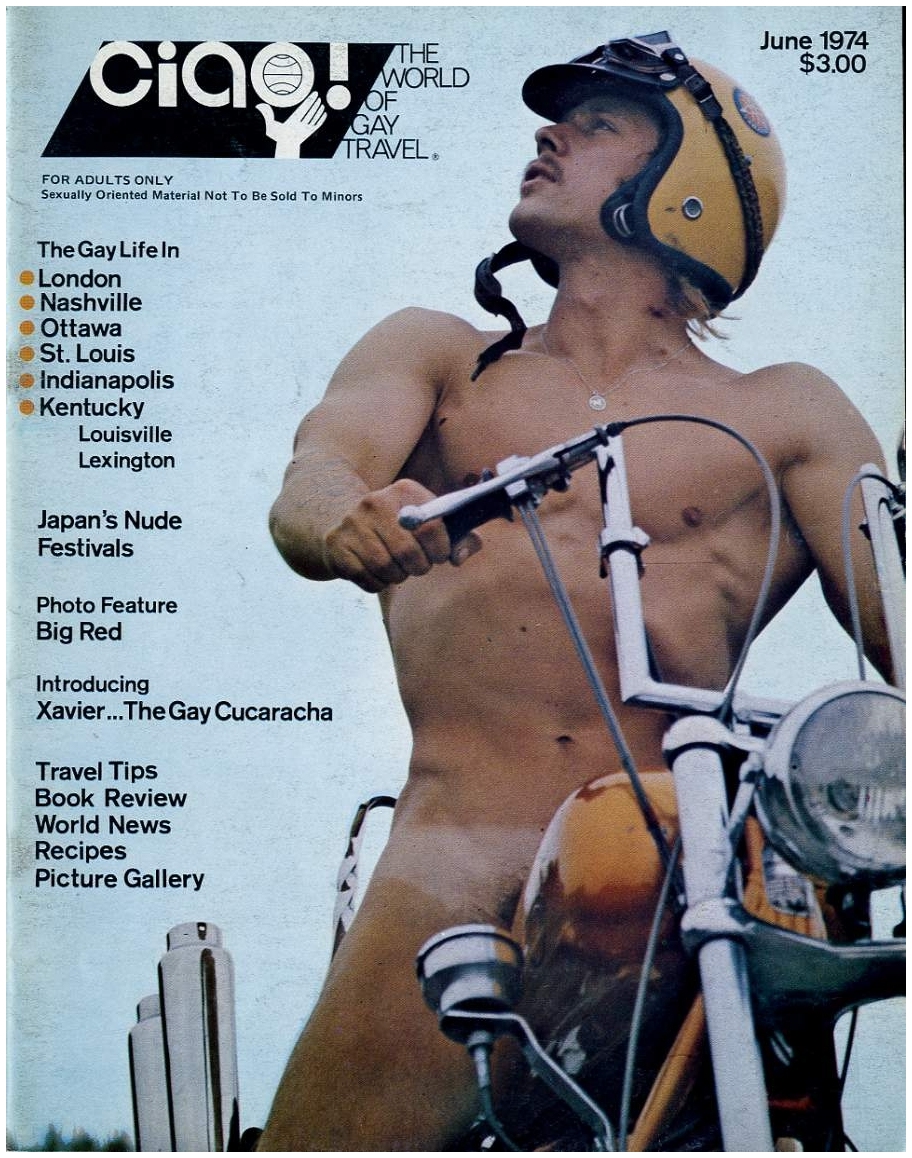
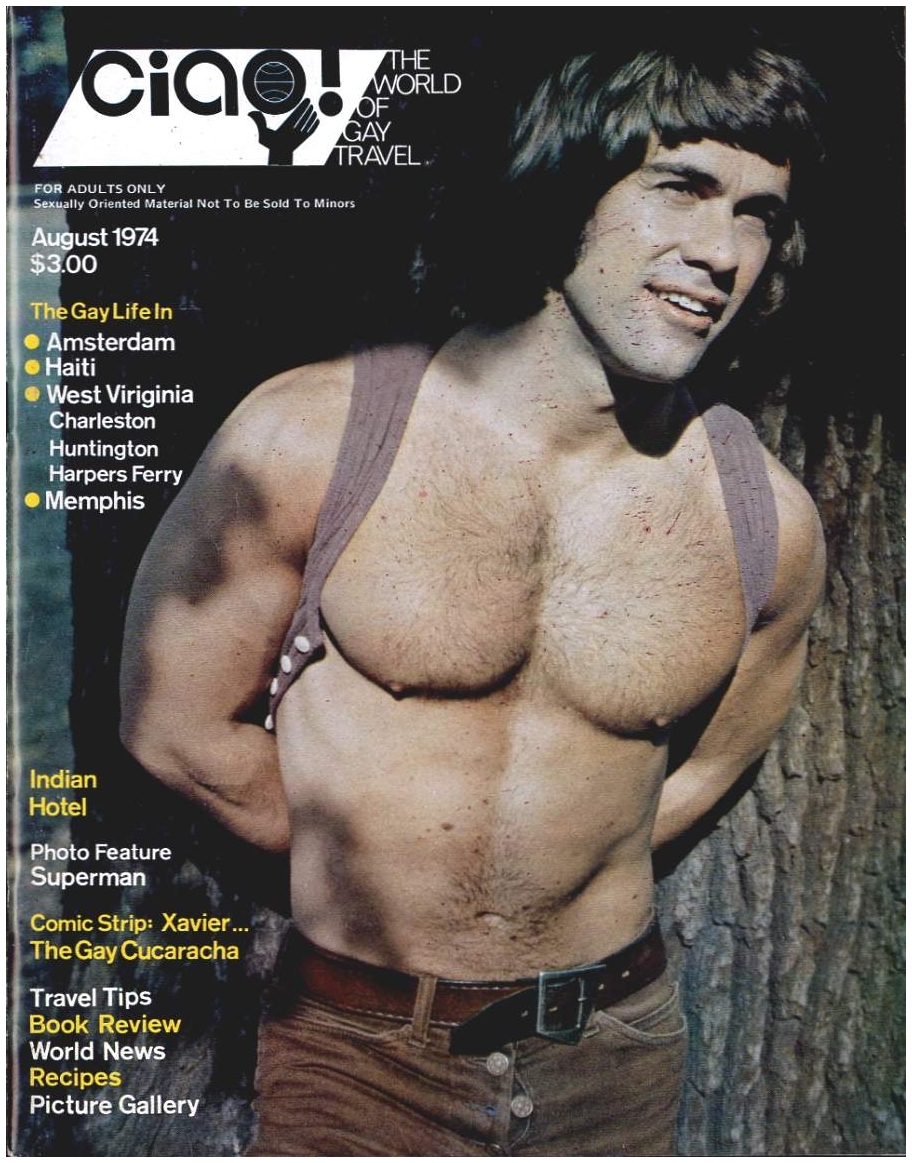
|
Vol-3-1-01-02/75,
PDF |
Vol-3-2-04/75,
PDF |
Vol-3-3-06/75,
PDF |
Vol-3-4-07-08/75,
PDF |
|
Vol-3-6-12/75,
PDF |
|
Vol-4-1-02/76,
PDF |
Vol-4-2-03-04/76,
PDF |
Vol-4-3-05-06/76,
PDF |
Vol-4-4-07-08/76,
PDF
|
Vol-4-5-09-10/76,
PDF |
Vol-4-6-12/76,
PDF
|
|
Vol-5-1-02/77,
PDF |
Vol-5-2-04/77,
PDF |
Vol-5-3-05-06/77,
PDF |
Vol-5-4-08/77,
PDF |
Vol-5-5-09-12/77,
PDF |
Vol-5-6-03/78,
PDF |
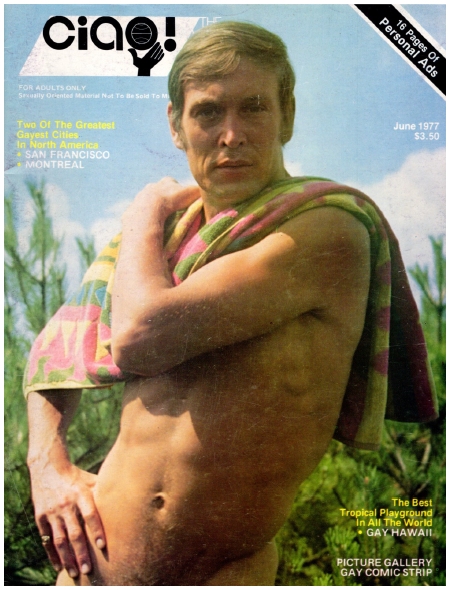
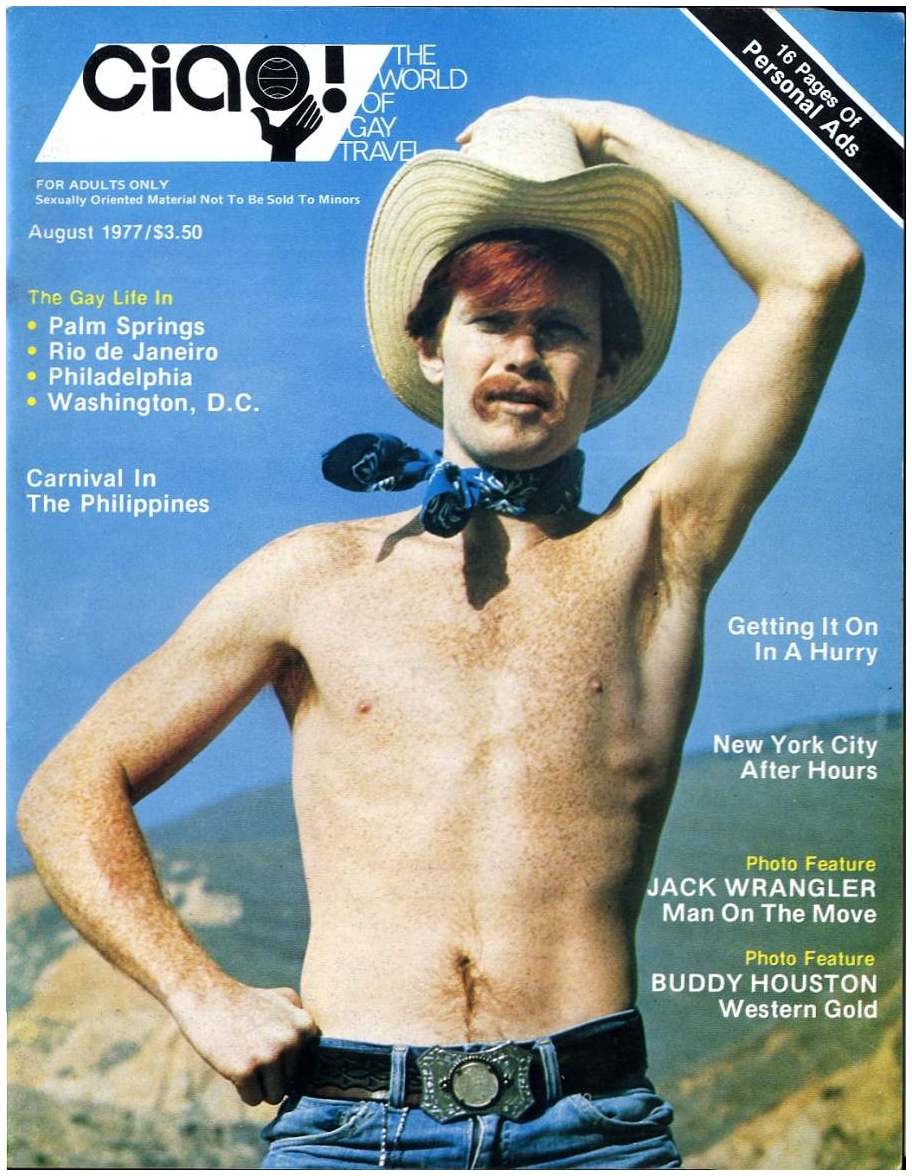
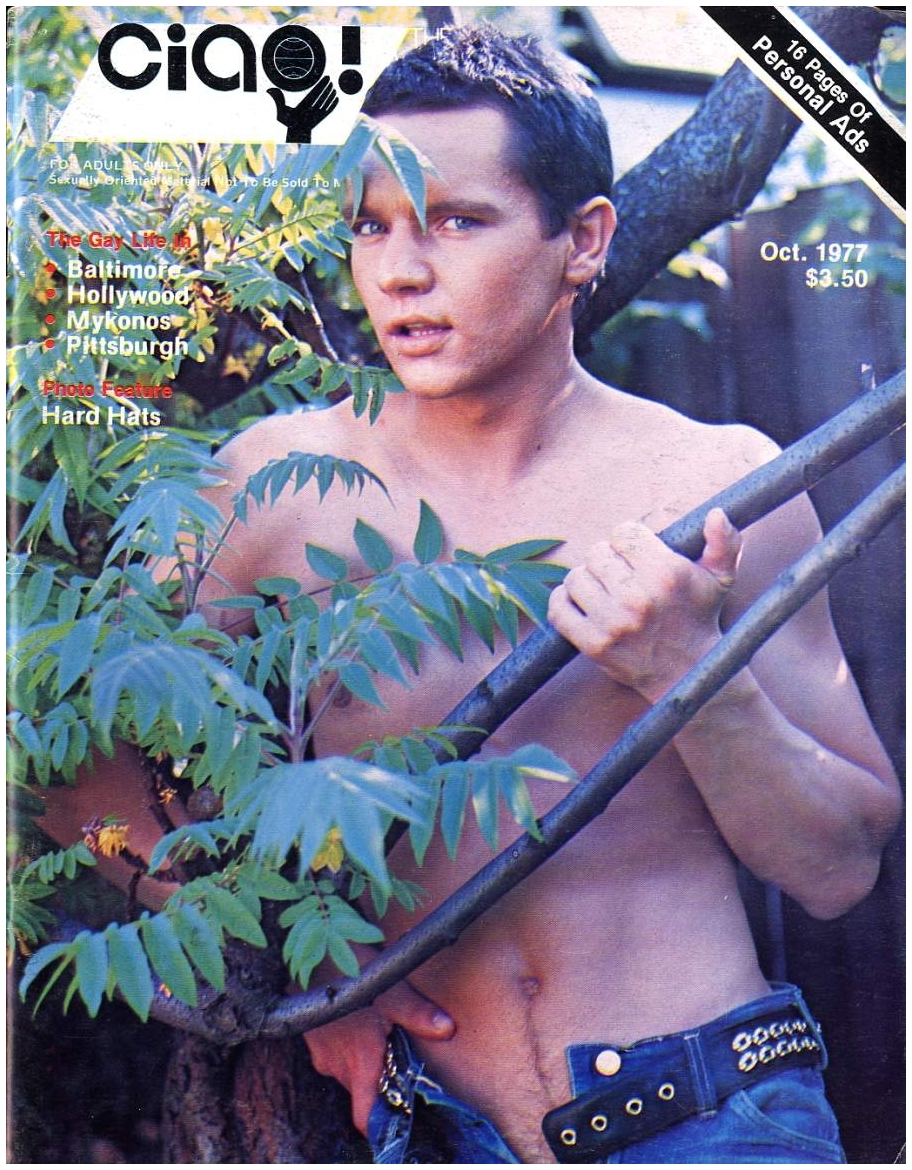
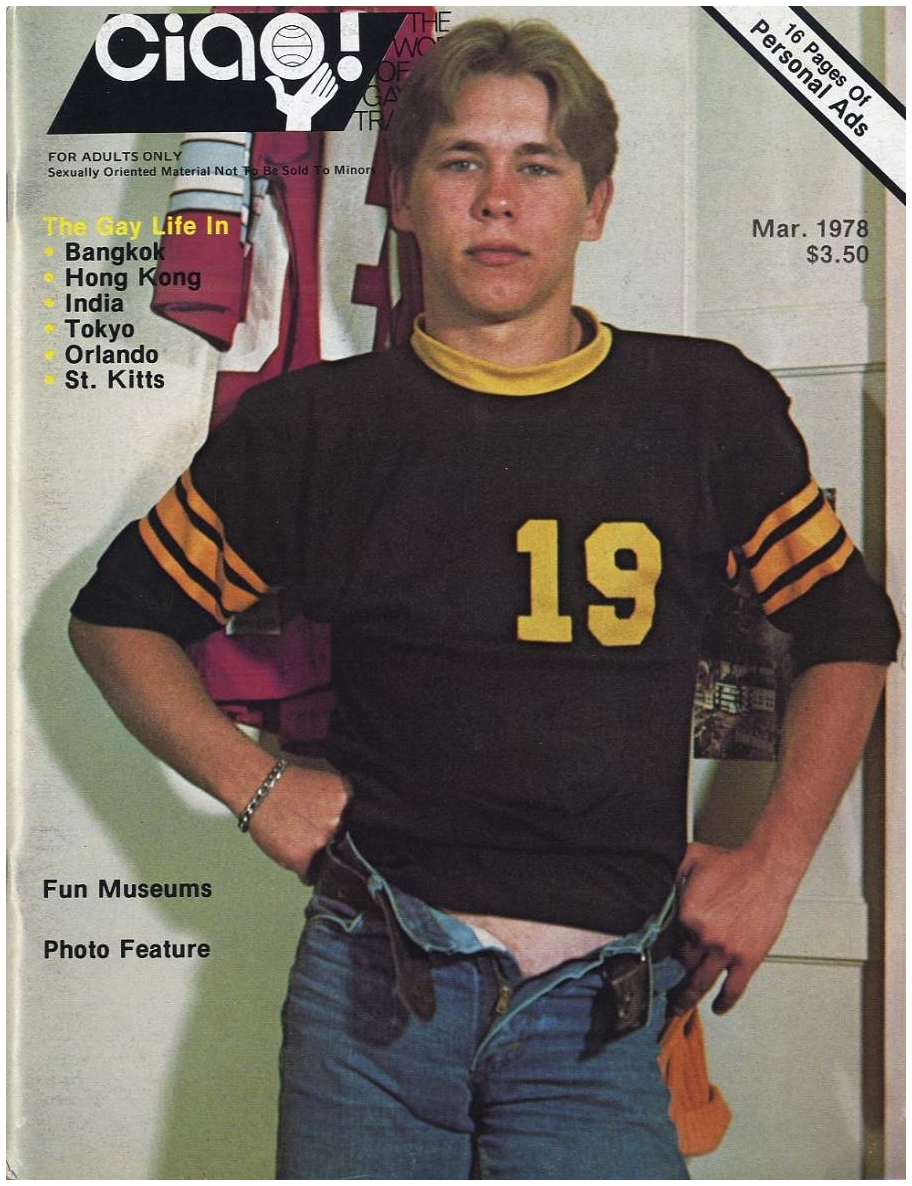
|
Vol-6-1-05/78,
PDF |
Vol-6-2-06-07/78,
PDF |
Vol-6-3-08-09/78,
PDF |
Vol-6-4-10-11/78,
PDF |
Vol-6-5-01/79,
PDF |
Vol-6-6-02-03/79,
PDF |
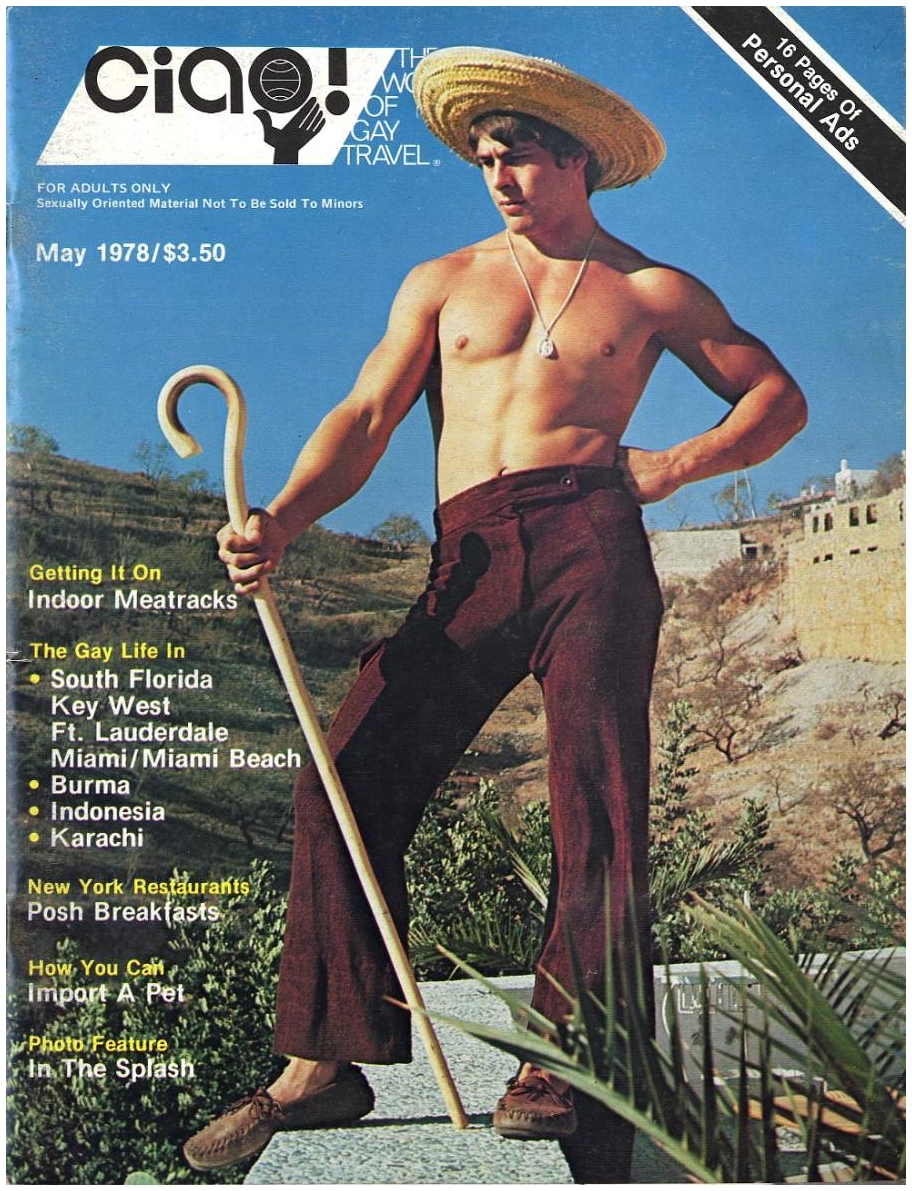
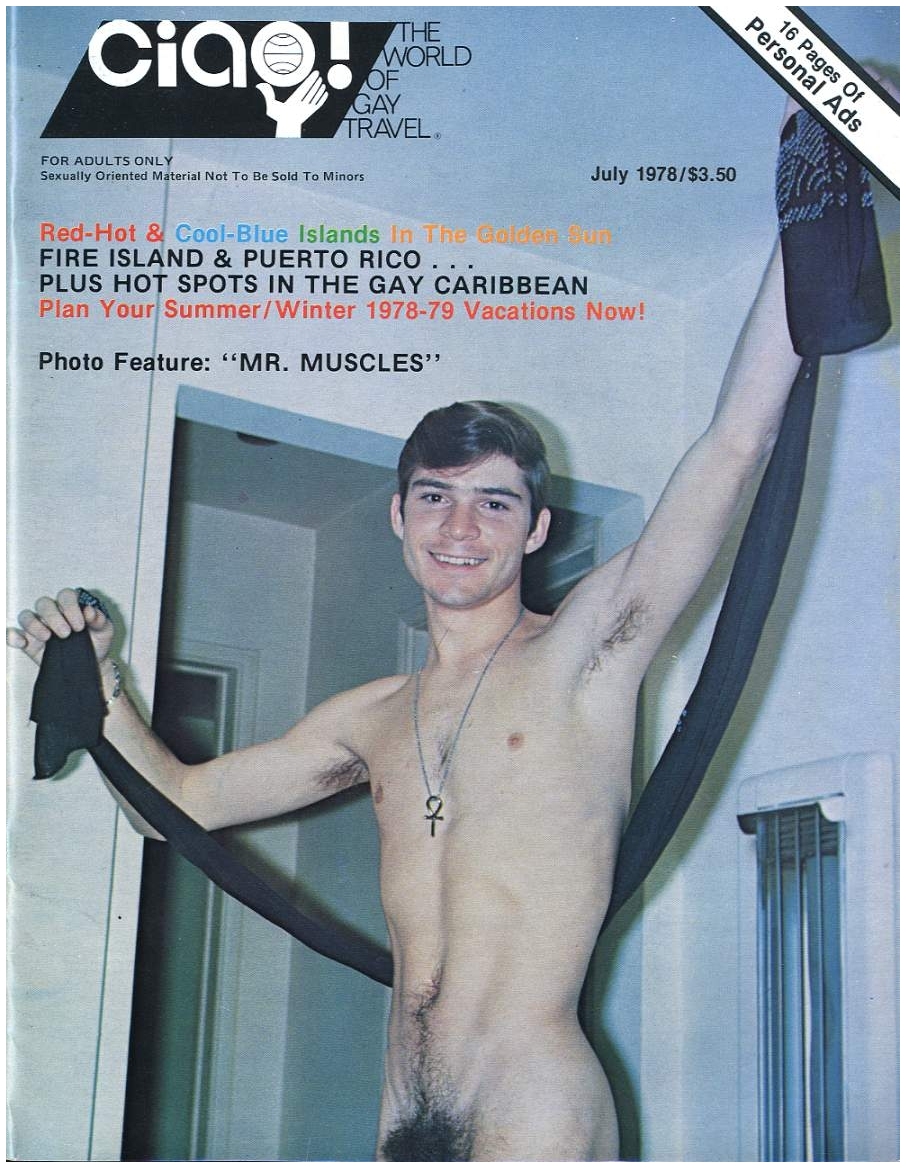
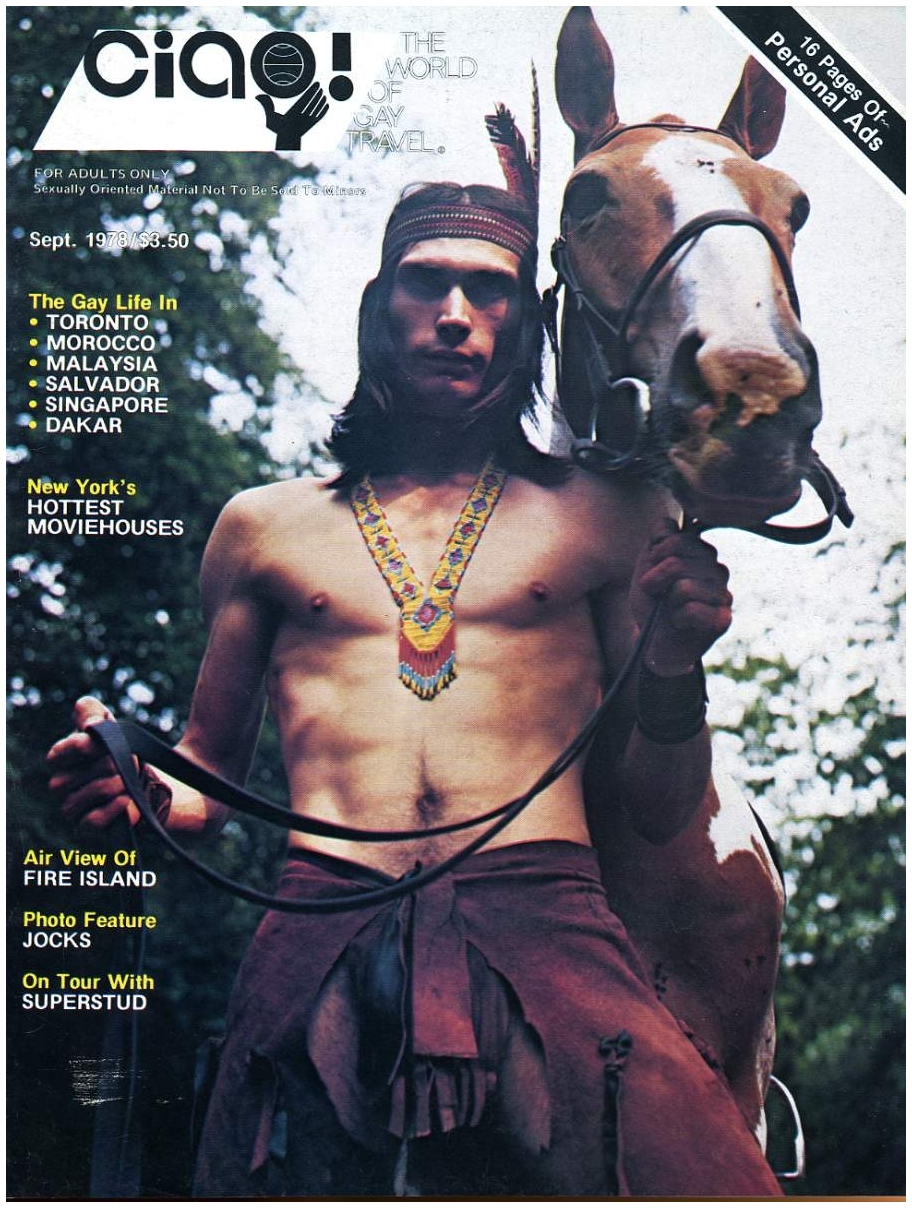
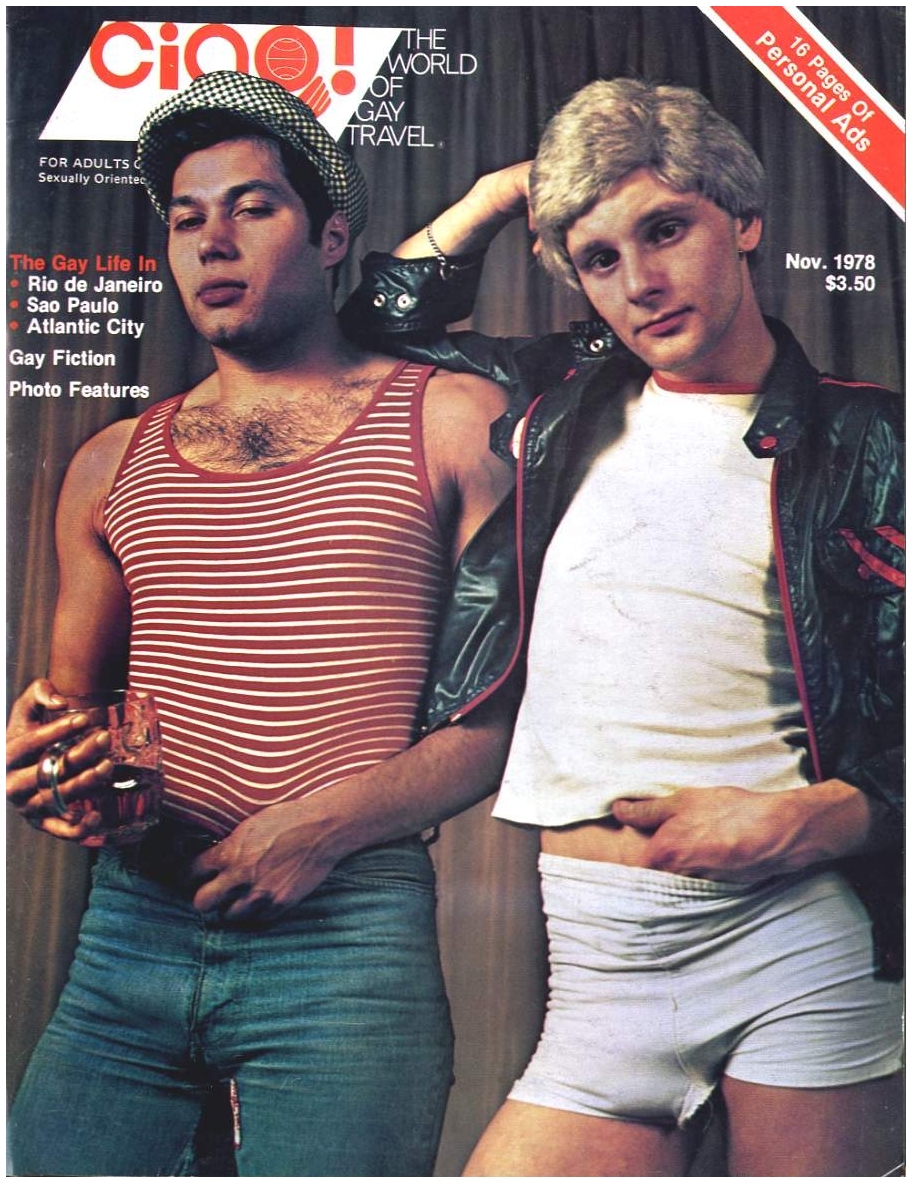
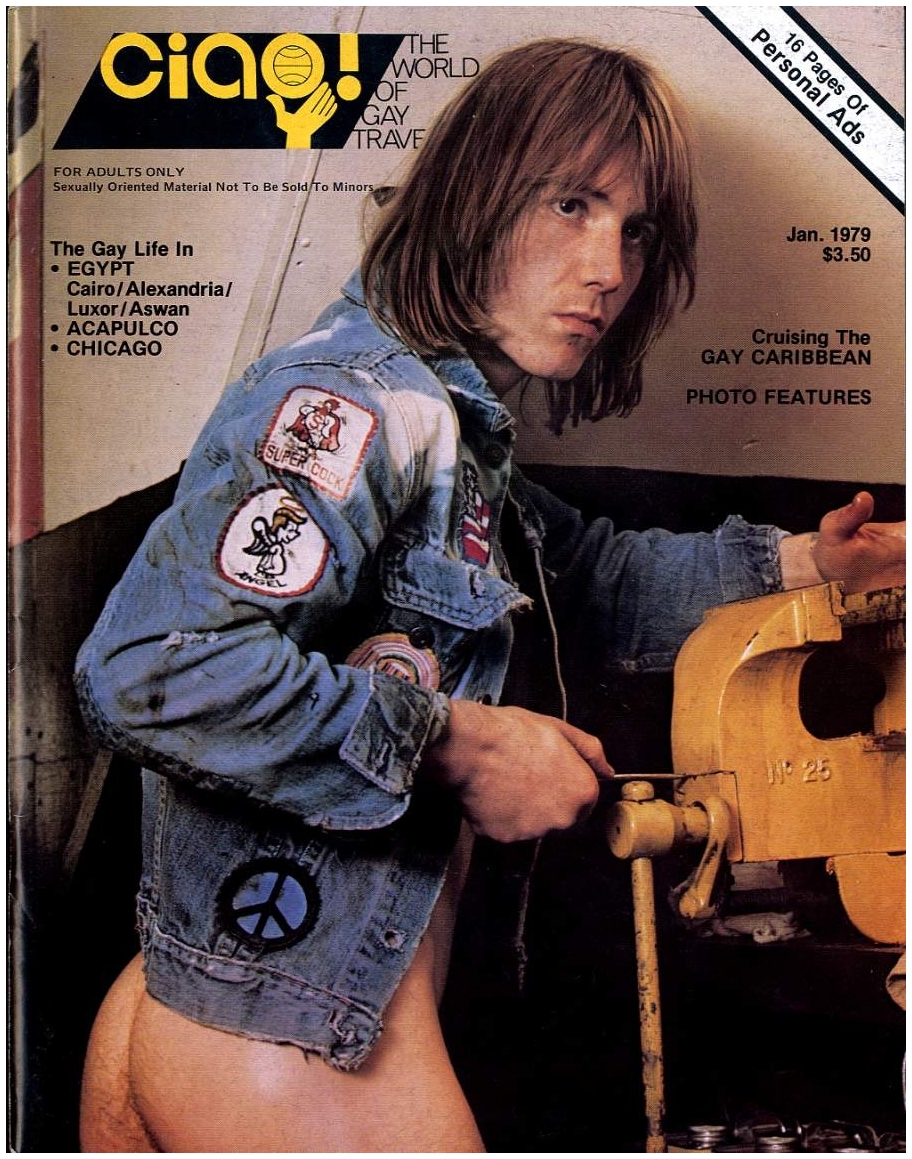
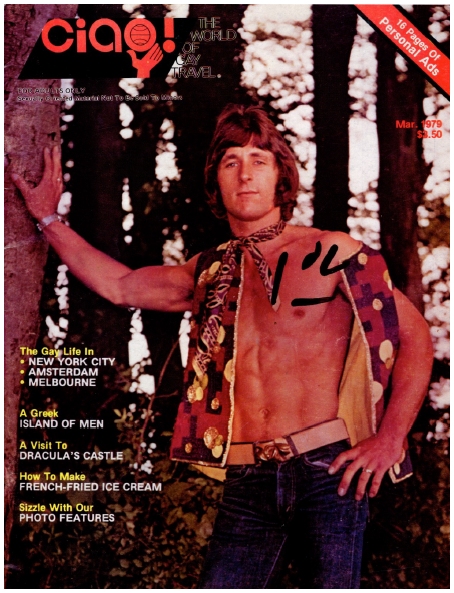
|
Vol-7-1-05/79,
PDF |
Vol-7-2-07/79,
PDF |
Vol-7-3-09/79,
PDF |
|
Vol-7-5-02-03/80,
PDF |
<<Last Issue |
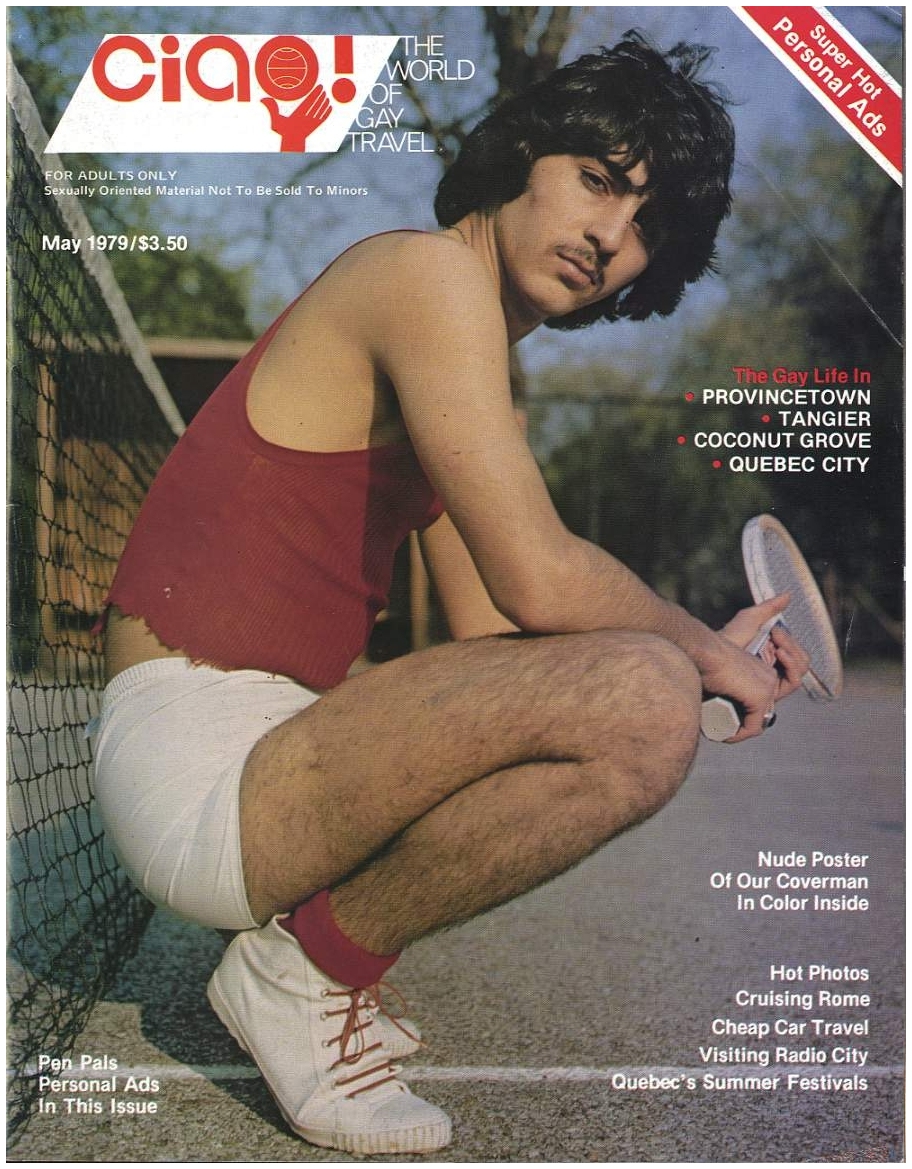
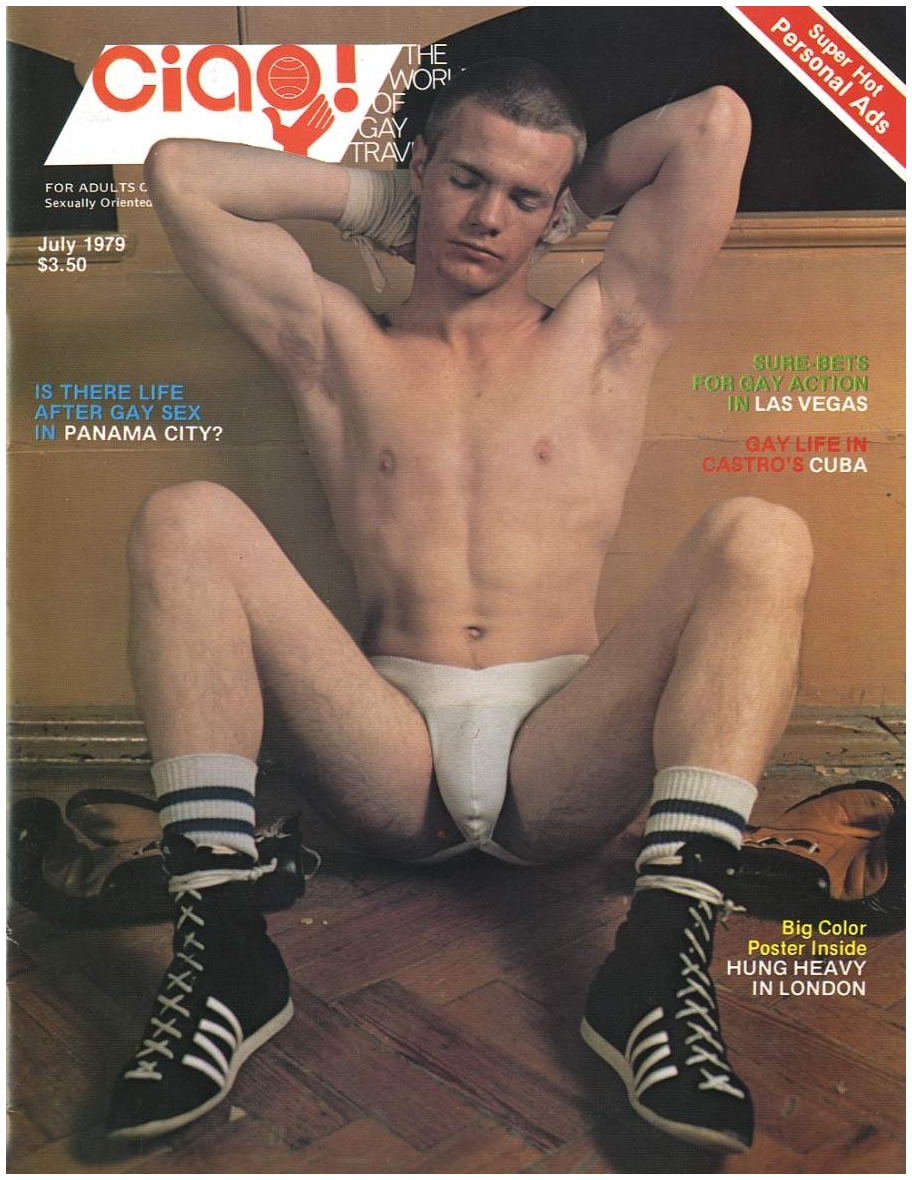
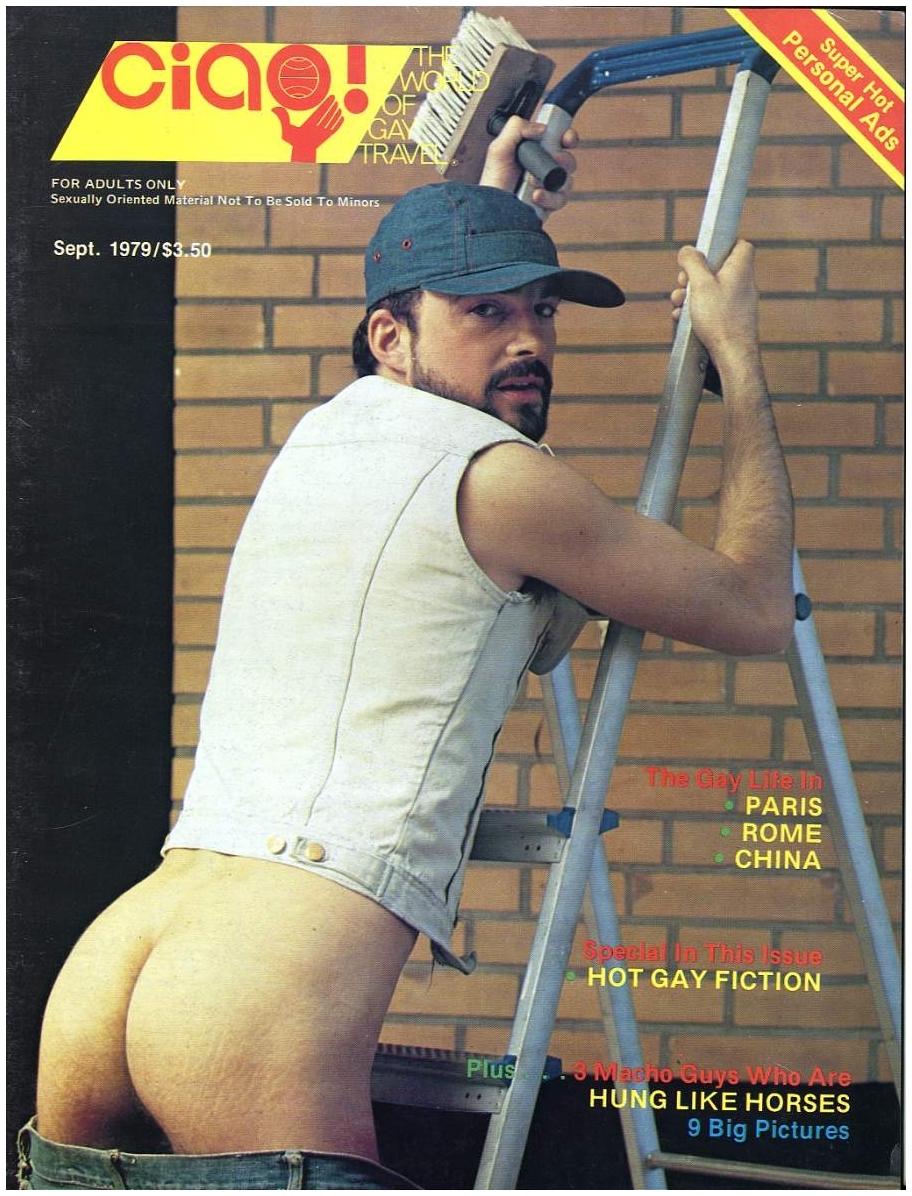
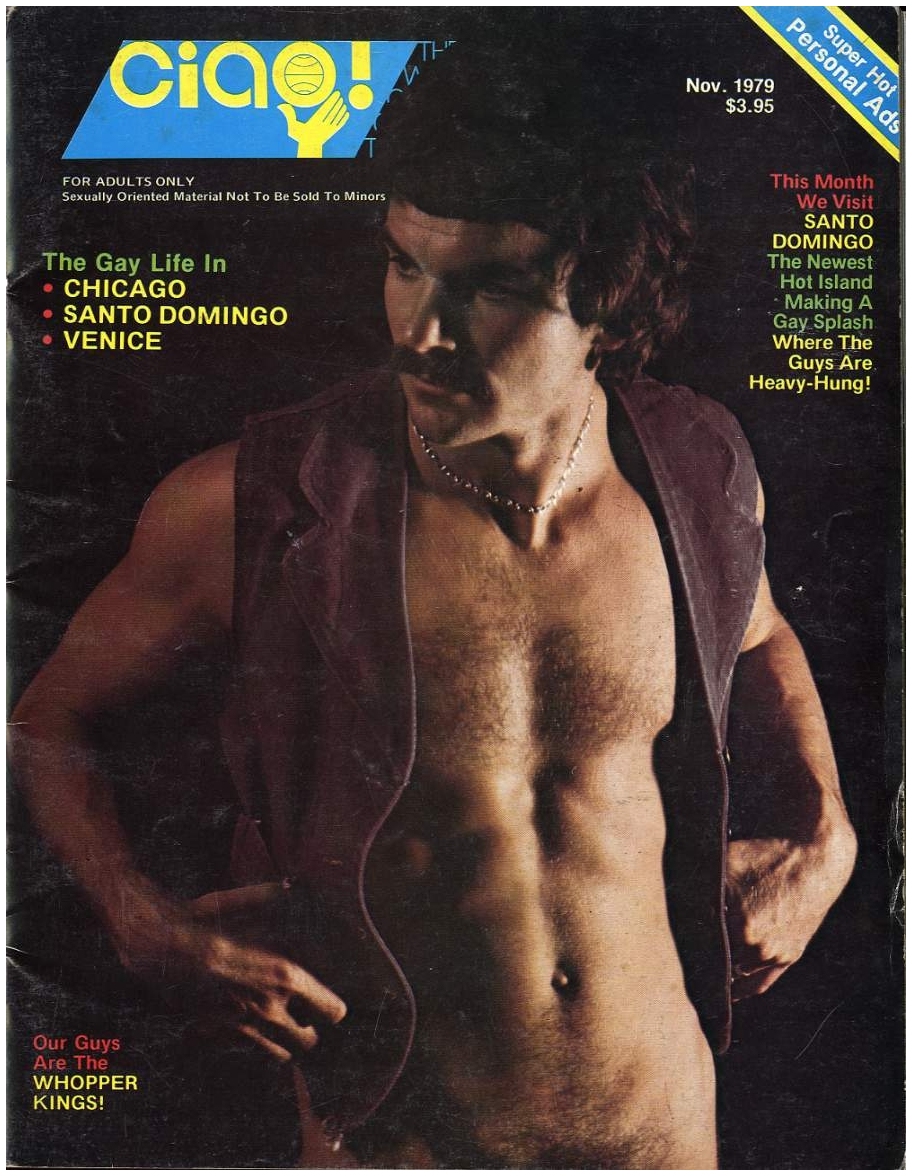
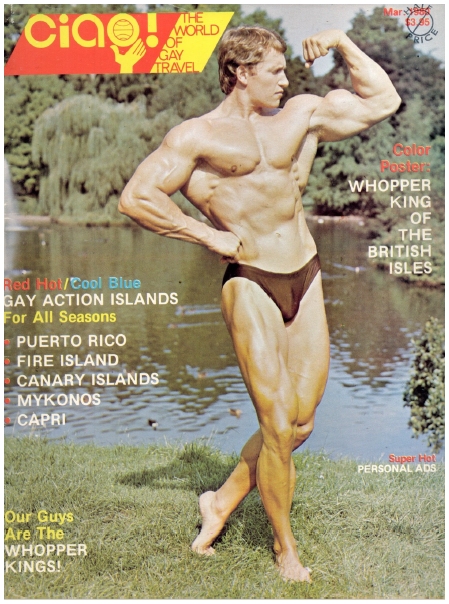
|
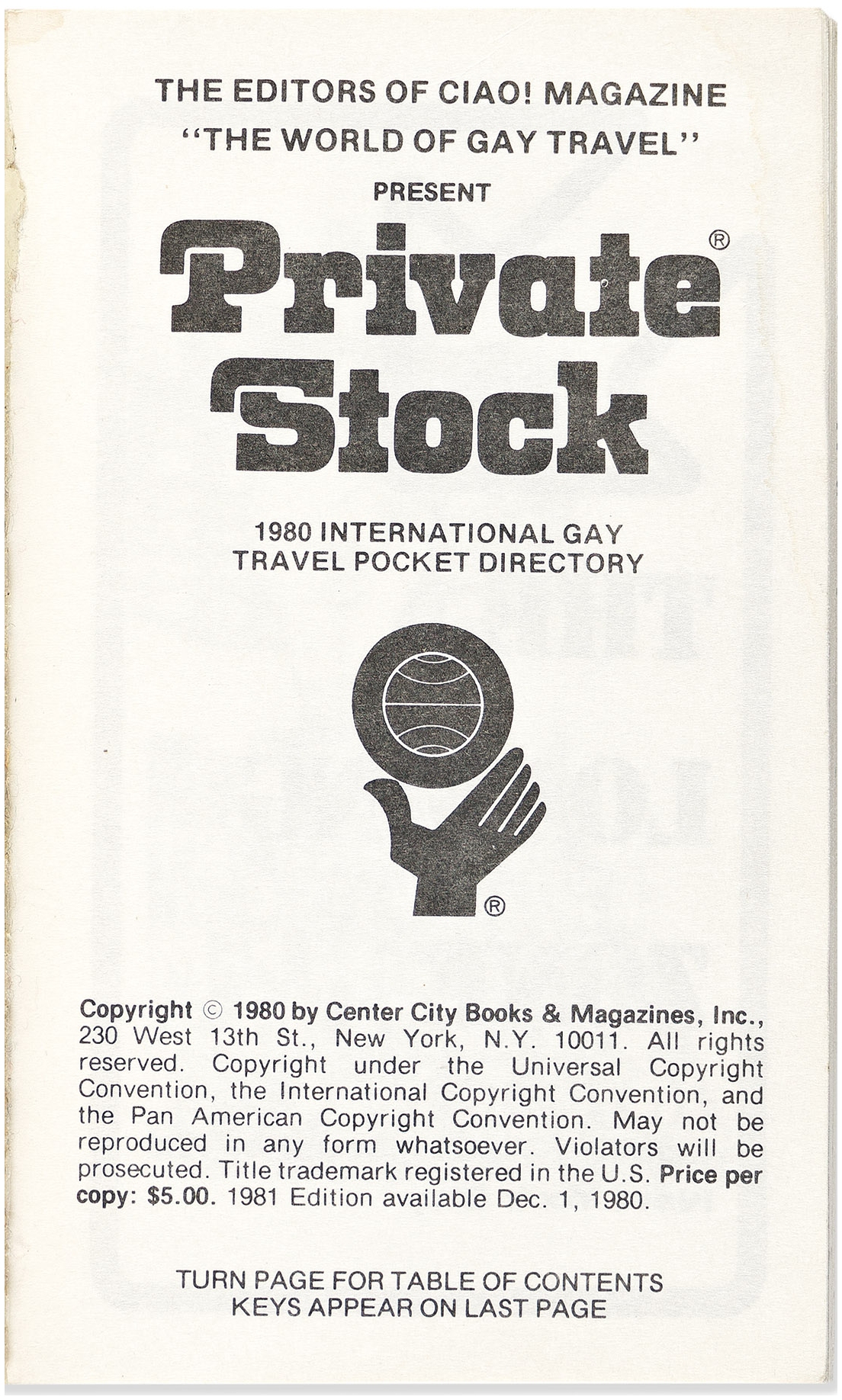
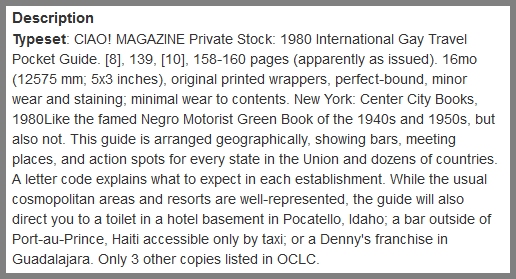
In
1980 they released a pocket guide, 3"x5", 160 pages....Very
rare, I have not seen a copy.
Perhaps they intended to go after the Damron's market, but were already declining. |
|
|
|
|
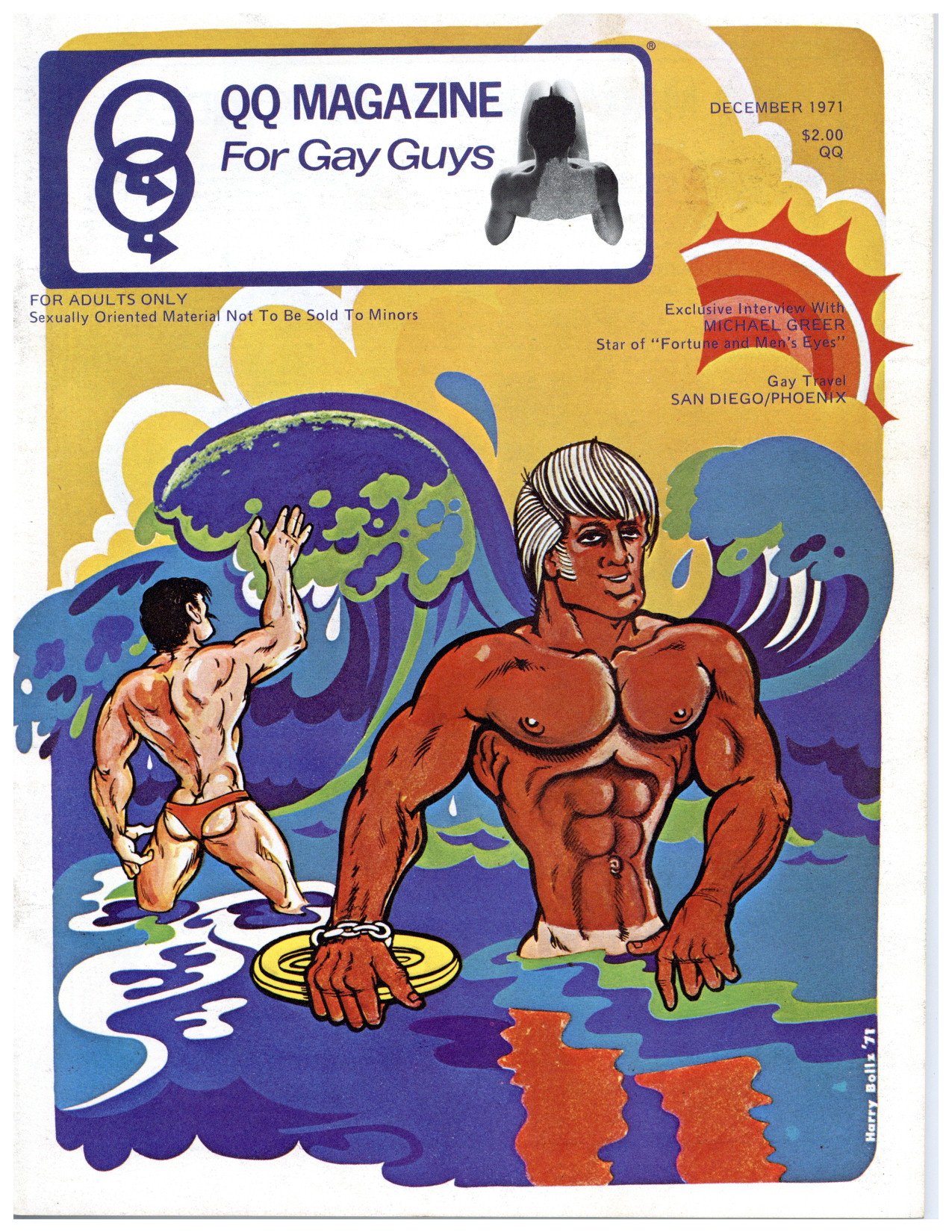
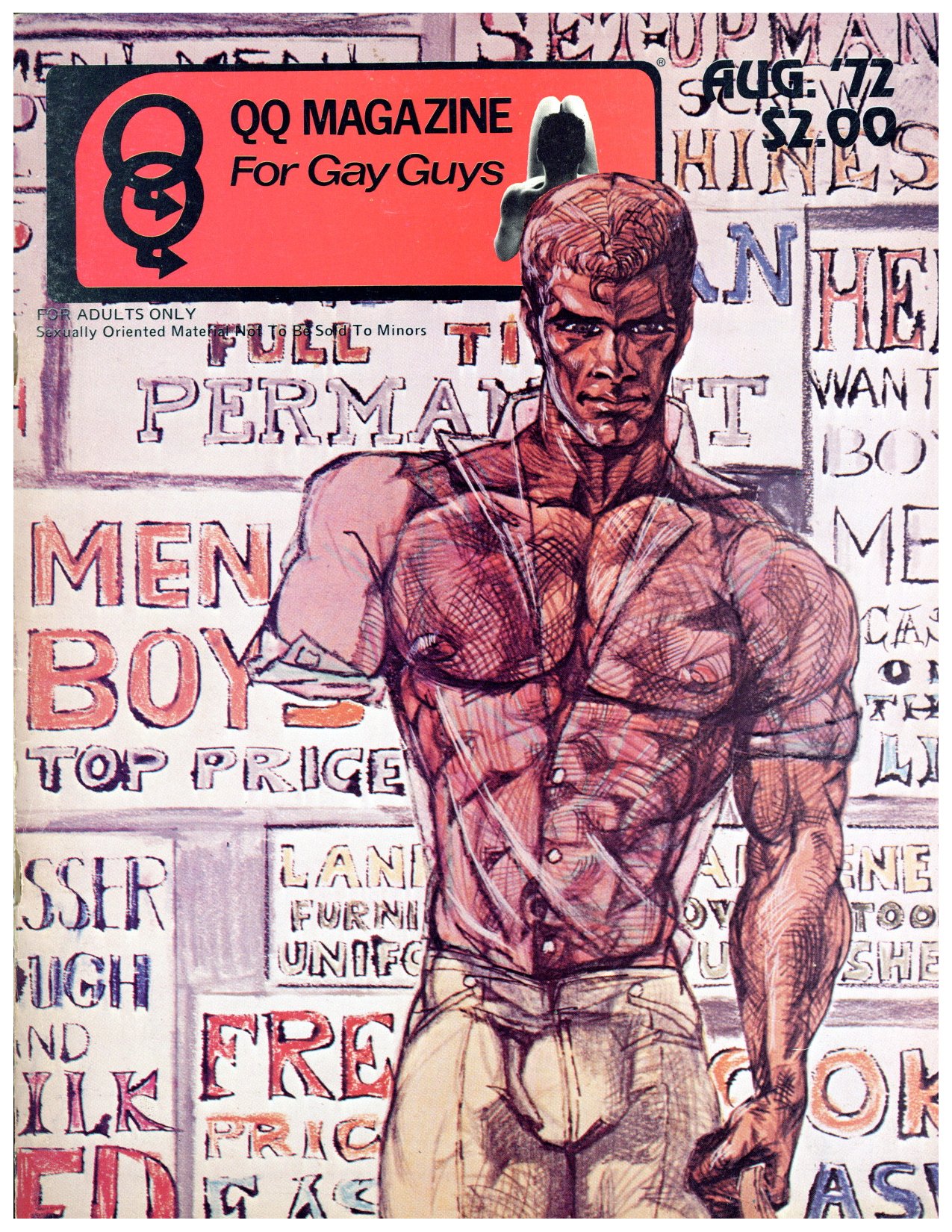
Queen's Quarterly,
or QQ Magazine QQ was the parent company that put out CIAO, and for the first five issues they were called Queen's Quarterly, but then wisely renamed. They also published similar magazines called Era and Body, with lots of full-frontal nudity and a some articles, many by pioneer Craig Rodwell. Okay, a personal bias, they often used the cover art of their comic character Harry Chess....Hated it, one reason I own so few copies. See
This Link for a review of this family of magazines |
|
|
4-4-72, PDF |
4-5-72, PDF |
4-6-72, PDF |
|
|
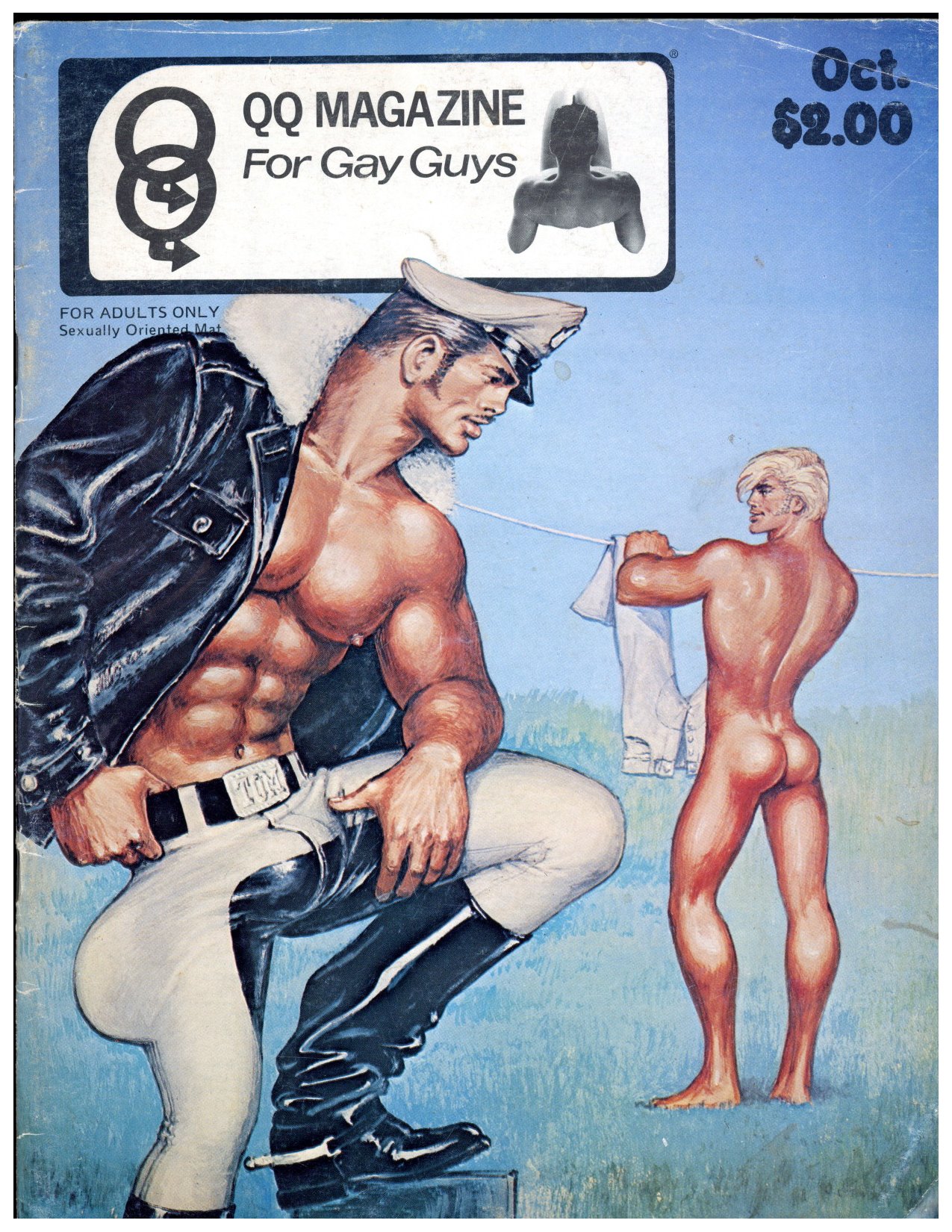
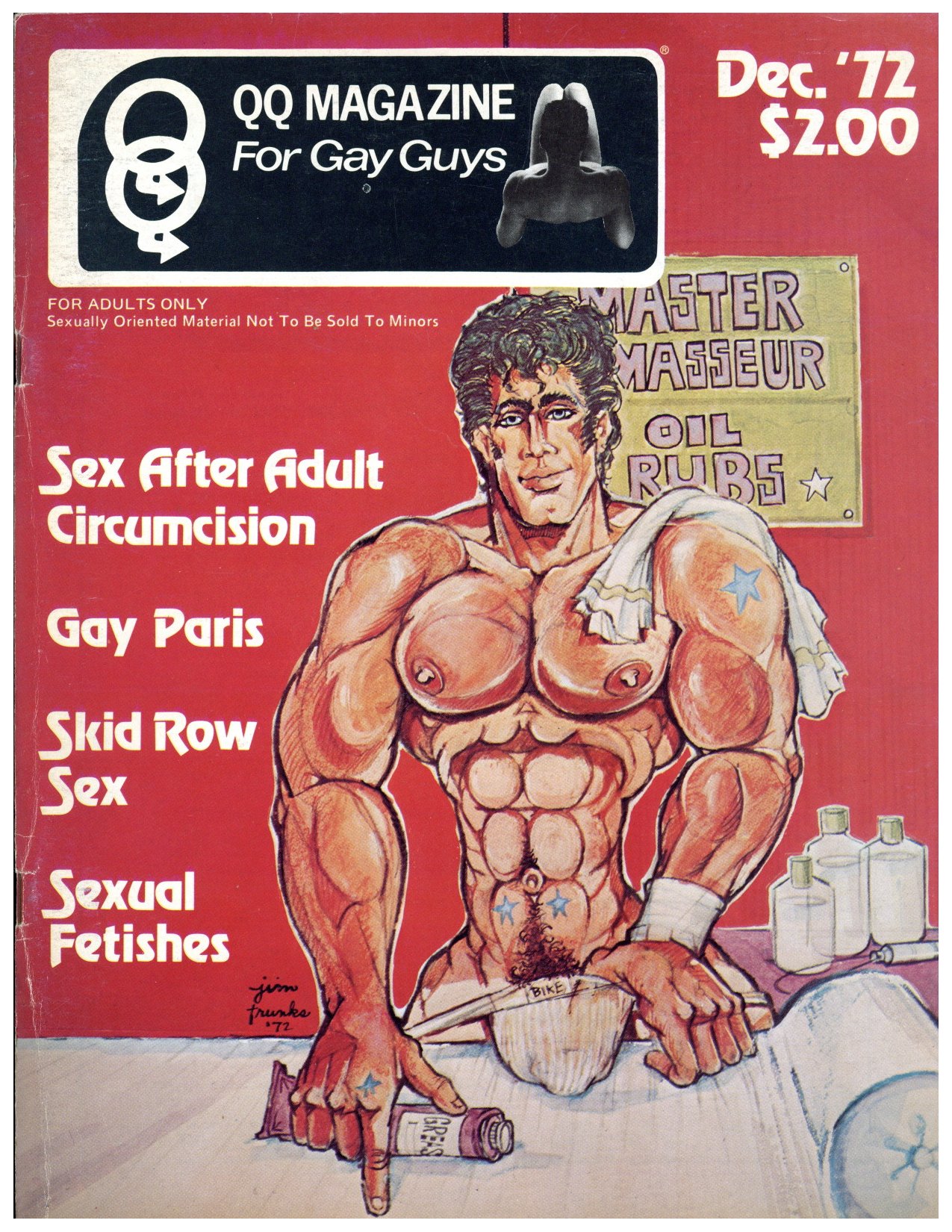
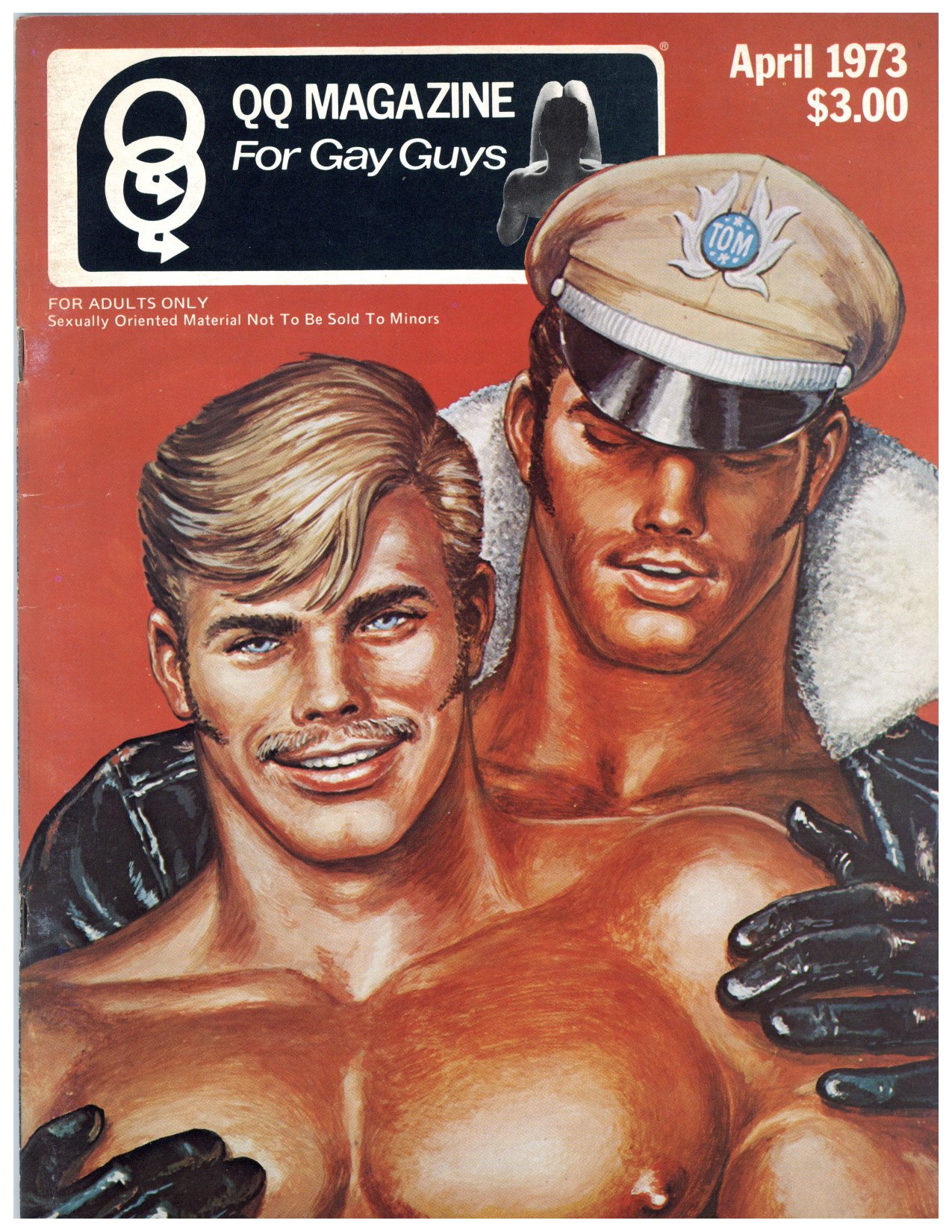
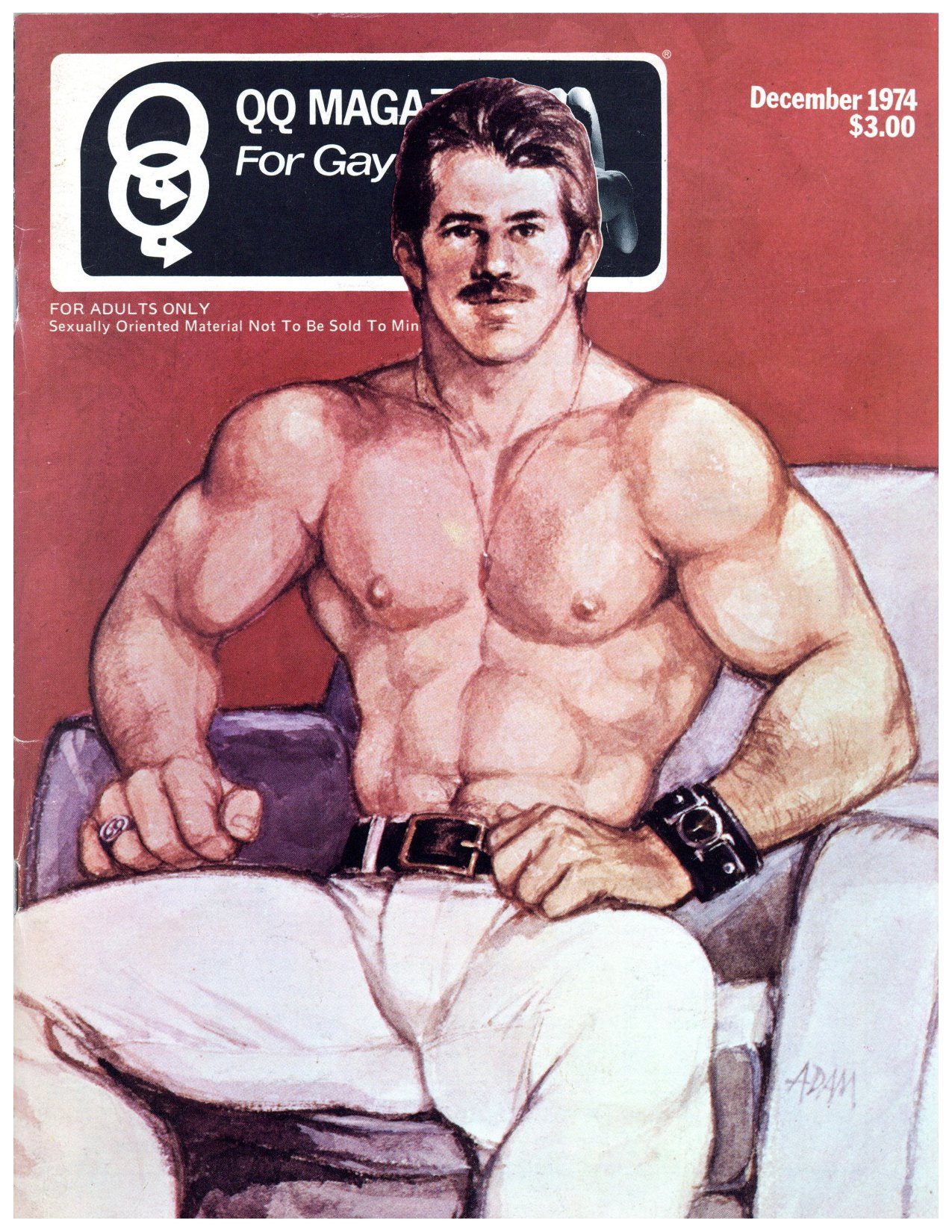
 |
Placeholder Article.......I will find a better place for this, but for now, as I mention Rodwell's columns being in QQ Magazine, this will work. And below, a review
I wrote of the book for posting on Facebook. Thank you for Amazon
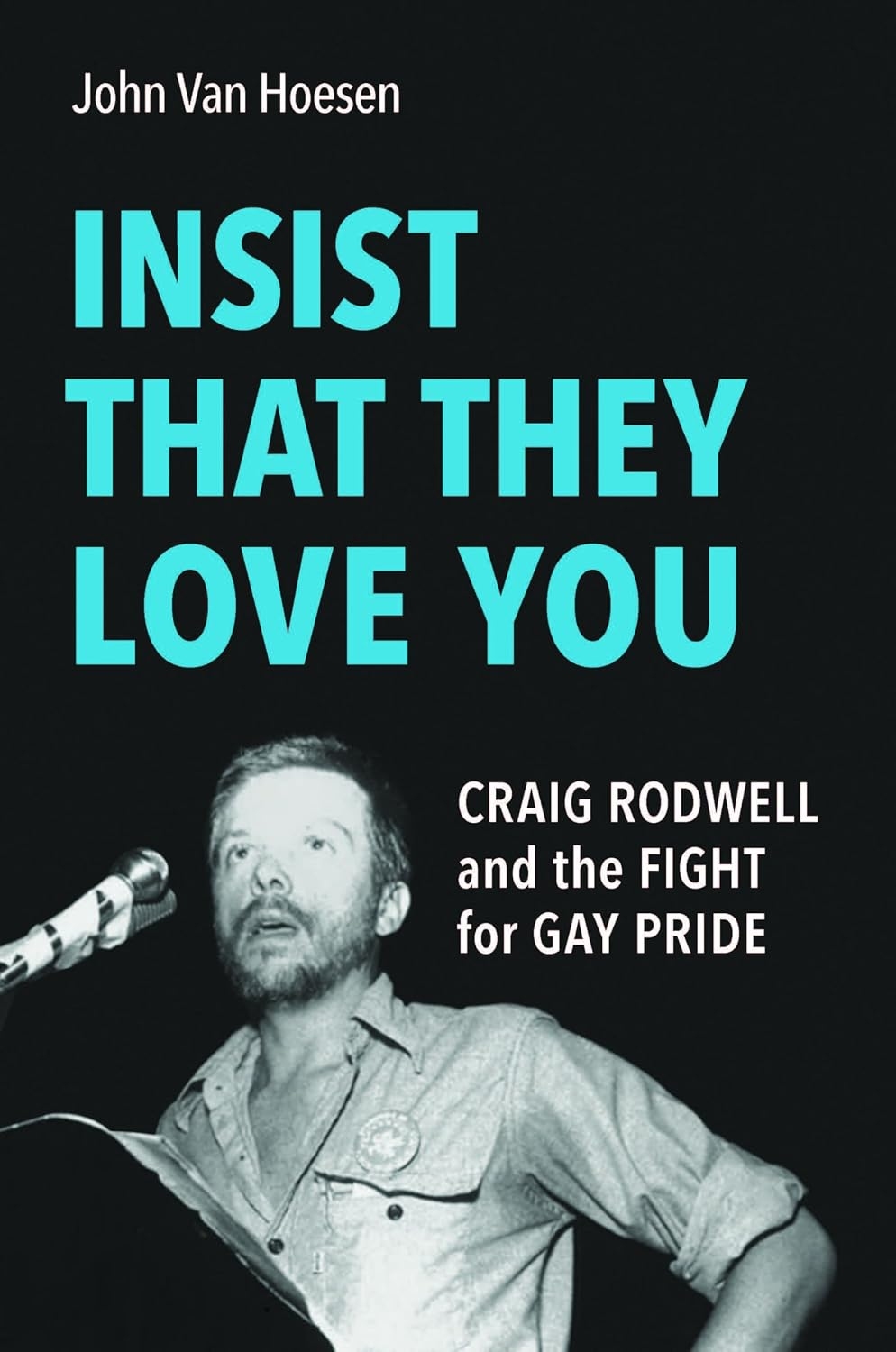
review Thank you for taking the time to write an in-depth review on Amazon for my biography of Craig Rodwell. It was an honor, a joy, and a challenge to do the research for the book. Personally, Craig was such a complicated individual who lived a highly compartmentalized life, that sharing his story was like assembling a quilt. Congratulations to you on all you have done with your amazing archives! As a former newspaper guy and obit writer, I especially appreciate your archive of obituaries. One thing you probably discovered long before I did was the joy of tracking down related historical footnotes and getting to the bottom of a moment in time. Anyway, my appreciation for the review and all you have accomplished. Very best, |
|
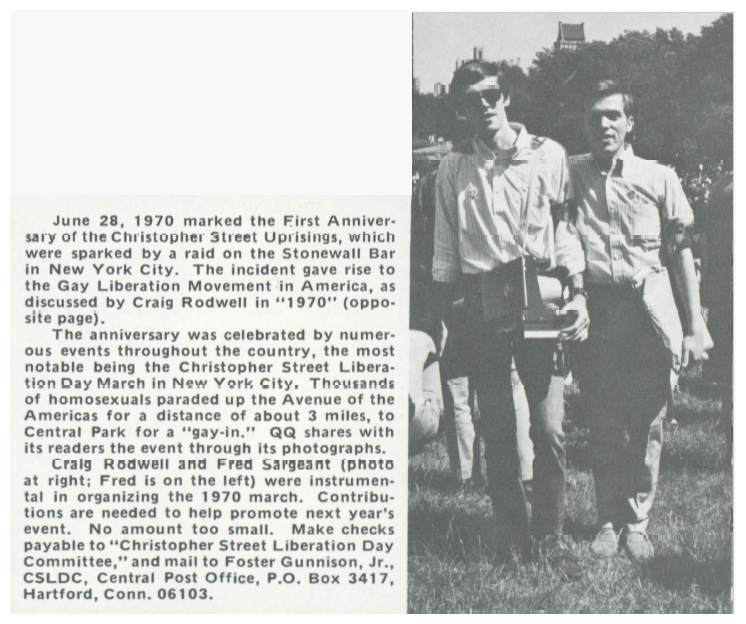
Insist That They Love You: Craig Rodwell and the Fight for Gay Pride, by John Van Hoesen I have long wondered why there was not a biography of Craig Rodwell. And many may say "who?" Well, he was a much under-appreciated gay rights pioneer and hero in a lot of areas, for example…. In April, 1966, he was one of the main participants in the "Sip-In" at Julius Bar, in NYC, a protest that led to the end of the State Liquor Authority's rule against the congregation of gays in establishments that served alcohol. His biggest accomplishment, in my opinion, was founding the Oscar Wilde Memorial Bookshop, in NYC, in 1967, which he ran with the help of his then partner Fred Sargeant. He sold the business in March 1993, when he was becoming ill. He died of cancer in June 1993 and the bookshop closed, four owners later, in 2009. Rodwell conceived
of the first annual protests, at Independence Hall, Philadelphia, from
1965 to 1969. He was a prime mover in the creation of the first gay pride march, to commemorate the Stonewall Riots and held on the last Saturday in June, starting in 1970, called Christopher Street Liberation Day. And almost a footnote,
he and Harvey Milk were in a short relationship in 1962, though Harvey
was not ready for Craig's level of activism. But he was influenced by
Craig, his camera shop functioned as a community gathering place, like
the bookshop was. And that's just
a partial list of his contributions. I think the bookshop had the most long-term influence on the gay movement. It was the first bookstore devoted to gay and lesbian authors. People braving out of the closet felt more secure entering a bookstore, rather than a bar. Though already out, I remember I made pilgrimages there every time I was in the city. An interesting
policy of the shop was that he would not sell porn, (often Mafia controlled)
also making the store less threatening. I was pleased to see included among publications from other cities copies of Houston's first gay publications, the Albatross (1965-1968). And, humble brag, in the index my own History site was listed as a resource twice. As a collector of resources, I was delighted that the back of the book includes all issues of the HYMNAL, and all the articles Rodwell wrote for QQ magazine, from 1971 to 1973 (19 articles). And these were not just op-ed type ramblings. He was advising gay people, in plain language, on what they needed to know and understand about our lives in those early years. There were topics like defining the types of activism, what to do when arrested, religion, the arts, and on and on, written in everyday terms, not academic jargon. Considering the time period, this was amazing and needed messaging. This section of the book covers over 80 pages, and information difficult to access elsewhere. The book's title,
by the way…the "Insist that they love you" part comes
from an interview quote done for the 1972 book by Kay Tobin and Randy
Wicker, "The Gay Crusaders." And the author, John Van Hoesen,
comes well-connected…his spouse Fred Sargeant was Rodwell's early
partner, though this was twenty years earlier and Van Hoesen never met
Rodwell. |